

Bid-Ask Spread Explained: How Forex Spread Impacts Your Trading Profit 2026
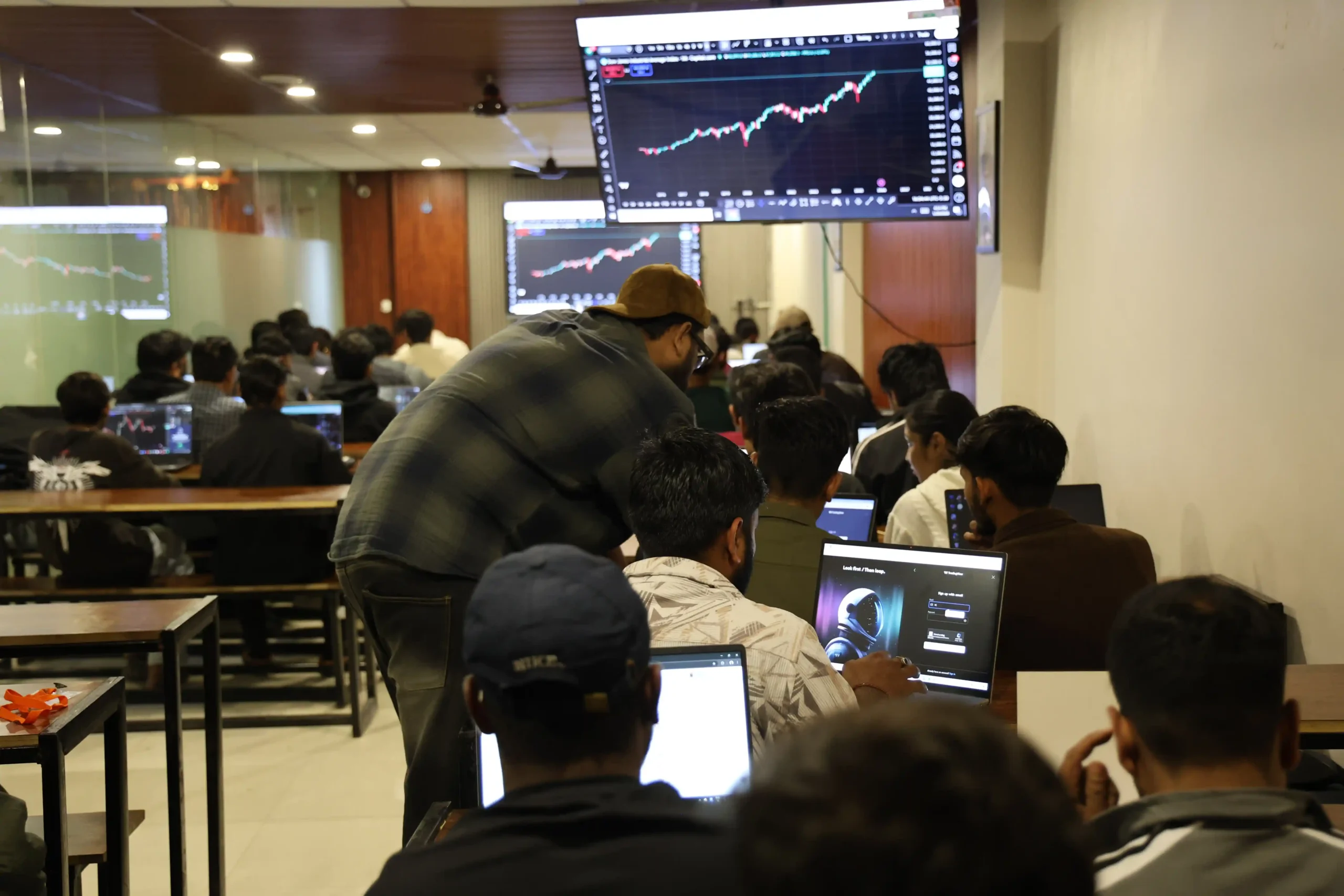
Bid-Ask Spread is the fundamental cost of doing business in the financial markets, representing the difference between the price at which you can buy an asset and the price at which you can sell it. At Bimal Institute, our mission in Indore and Ujjain is to provide practical, live-market education that transcends basic theory. We believe that understanding the “hidden” costs like the Bid-Ask Spread is the first essential step toward becoming a professional, profitable trader.
Understanding the Basics: What is the Bid-Ask Spread in Forex?
In the world of currency trading, the Bid-Ask Spread functions as a transaction fee that is built directly into the price of a currency pair. Unlike a commission, which is a flat fee charged by some brokers, this spread is the gap between the highest price a buyer is willing to pay and the lowest price a seller is willing to accept.
Best Forex Trading Institute in Central India — Why Bimal Institute Indore is the #1 Choice
Defining the Bid Price and the Ask Price within the Forex Spread
The “Bid” is the price at which the market (or your broker) is ready to buy the base currency from you. Conversely, the “Ask” (or Offer) is the price at which the broker is willing to sell the base currency to you. The difference between these two figures is known as the Forex Spread.
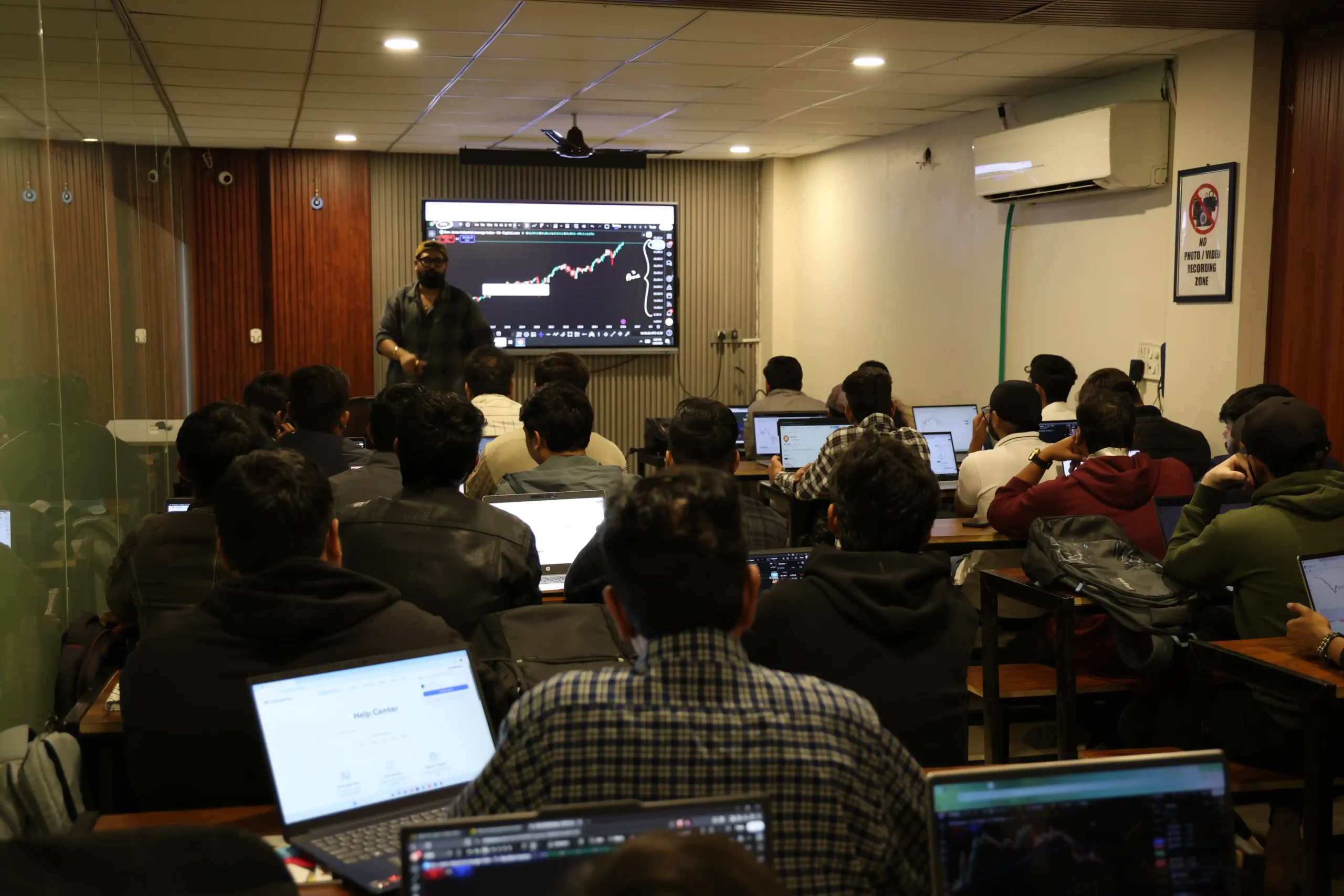
Why Every Trader Must Account for the Bid-Ask Spread Before Entering a Position
At Bimal Institute, we emphasize that every trade starts in a “negative” position. Because you buy at the higher Ask price and sell at the lower Bid price, the Bid-Ask Spread ensures that you must wait for the market to move in your favor just to reach a break-even point. Ignoring this cost can lead to unexpected losses, especially for those who trade frequently throughout the day.
View this profile on Instagram
How to Perform a Manual Bid-Ask Spread Calculation
Calculating the Bid-Ask Spread is a vital skill that helps you understand the true cost of your trades. By looking at your trading platform, you can subtract the Bid price from the Ask price to find the difference in points or pips. This Bid-Ask Spread Calculation allows you to compare different brokers and currency pairs effectively.
Forex Trading Institute in Jabalpur: Master the Global Markets 2026
Using Pips to Determine the Total Forex Spread Cost
For most major currency pairs, a pip is the fourth decimal place (0.0001). If the EUR/USD is quoted with a Bid of 1.0850 and an Ask of 1.0852, the Bid-Ask Spread is 2 pips. This small number may seem insignificant, but when trading large volumes, these pips represent real money leaving your account.

Converting the Bid-Ask Spread into Real Currency Values for Your Account
To understand the actual impact on your Trading Profit, you must convert those pips into your account currency. For a standard lot (100,000 units), a 1-pip spread usually equals $10. Therefore, a 2-pip Bid-Ask Spread means you are paying $20 in transaction costs the moment you open the trade.
| Currency Pair | Bid Price | Ask Price | Spread in Pips | Spread Cost (Standard Lot) |
|---|---|---|---|---|
| EUR/USD | 1.0900 | 1.0901 | 1.0 Pip | $10.00 |
| GBP/USD | 1.2500 | 1.2503 | 3.0 Pips | $30.00 |
| USD/JPY | 148.50 | 148.52 | 2.0 Pips | $20.00 |
| EUR/GBP | 0.8550 | 0.8554 | 4.0 Pips | $40.00 |
Comparing Different Types: Fixed vs. Variable Forex Spread
Brokers generally offer two types of pricing models for the Bid-Ask Spread. Choosing between a fixed or variable model depends heavily on your trading style and the specific strategies you learn during our sessions at Bimal Institute.
View this profile on Instagram
The Pros and Cons of a Fixed Bid-Ask Spread for Beginners
A fixed Bid-Ask Spread remains constant regardless of market conditions. This provides predictability for new traders in Indore and Ujjain who are still learning to manage their Trading Costs. However, fixed spreads are often slightly wider than variable spreads to compensate the broker for taking on the market risk.
Why Professional Traders Often Prefer a Variable Forex Spread Model
Most professional traders prefer a variable Bid-Ask Spread because it can shrink significantly during times of high Market Liquidity. While these spreads can widen during news events, they often offer the lowest possible cost during standard trading hours, maximizing the potential Trading Profit for experienced market participants.
Key Factors That Influence the Width of the Bid-Ask Spread
The Bid-Ask Spread is not a static number; it fluctuates based on several external market forces. Understanding these factors is a core component of the technical analysis curriculum at Bimal Institute.
How Market Liquidity Dictates a Tight or Wide Bid-Ask Spread
Market Liquidity refers to how easily an asset can be bought or sold without affecting its price. Major pairs like EUR/USD have high liquidity, resulting in a Tight vs Wide Spread. Conversely, exotic pairs have lower liquidity, leading to a much wider Bid-Ask Spread.
The Impact of High Volatility and Economic News on the Forex Spread
During major economic announcements, such as the Non-Farm Payrolls (NFP) report, the Bid-Ask Spread can “blow out” or widen dramatically. This happens because liquidity providers pull back their offers to avoid being caught in sudden price swings, increasing the Trading Costs for anyone attempting to enter the market during the chaos.
Broker Business Models: ECN vs. Market Makers and the Bid-Ask Spread
ECN (Electronic Communication Network) brokers provide a direct link to liquidity providers, often resulting in a raw Bid-Ask Spread of near zero pips, though they charge a commission. Market Makers, on the other hand, set their own prices and often include the Forex Spread as their primary source of revenue.
How the Bid-Ask Spread Directly Impacts Your Daily Trading Profit
Every time you execute a trade, the Bid-Ask Spread acts as a hurdle. If you are a high-frequency trader, these costs accumulate rapidly, potentially turning a winning strategy into a losing one over the long term.
The “Break-Even” Challenge: Overcoming the Forex Spread Immediately After Entry
When you enter a trade, your “Open Profit” will initially show a negative value equal to the Bid-Ask Spread. To achieve a positive Trading Profit, the market price must move in your direction by a distance greater than the spread. This is why Bimal Institute teaches students to look for high-probability setups where the target is much larger than the initial cost.
Why a High Bid-Ask Spread is the Greatest Enemy of Forex Scalpers
Scalpers aim for small gains of 5 to 10 pips. If the Bid-Ask Spread is 3 pips, the trader is effectively giving away 30-60% of their potential profit to the broker. At Bimal Institute, we help our students identify which pairs are suitable for scalping and which ones should be avoided due to excessive Forex Spread costs.
Long-term Position Trading vs. Short-term Trading: Who Suffers More from the Forex Spread?
Swing traders and position traders are less affected by the Bid-Ask Spread because their targets are usually hundreds of pips away. A 2-pip spread is negligible when aiming for a 300-pip gain. However, for day traders, the Bid-Ask Spread is a critical factor that must be managed daily to protect their capital.
Practical Strategies to Minimize the Impact of the Bid-Ask Spread
Minimizing your Trading Costs is just as important as finding good entries. At Bimal Institute, we provide practical frameworks to ensure you aren’t overpaying for your trades.
Selecting High-Liquidity Currency Pairs with the Lowest Bid-Ask Spread
Stick to “The Majors” (EUR/USD, GBP/USD, USD/JPY, AUD/USD) if you want to benefit from the narrowest Bid-Ask Spread. These pairs have the highest volume of buyers and sellers, ensuring that the Forex Spread stays as low as possible.
Optimal Trading Hours: When the Forex Spread is at Its Narrowest
The Bid-Ask Spread is typically tightest during the London and New York session overlap. This is when global volume is at its peak. Trading during the “Asian Session” or the “dead hours” before the New York close often results in a wider Bid-Ask Spread due to lower activity.
Avoiding “News Spikes” to Prevent Excessive Bid-Ask Spread Expansion
Experienced traders often wait for the initial volatility of a news event to subside before entering. This prevents them from being filled at a price where the Bid-Ask Spread has widened to 10 or 20 times its normal size, which can happen in seconds.
Advanced Trading Concepts: Slippage and Requotes Related to the Bid-Ask Spread
Even with a known Bid-Ask Spread, your execution price might not always be what you see on the screen. This is a reality of live-market trading that Bimal Institute focuses on during our hands-on training sessions in Indore.
Why Your Execution Price Might Differ from the Quoted Bid-Ask Spread
Slippage occurs when a trade is filled at a price different from the requested price. This usually happens during high volatility when the Bid-Ask Spread is shifting faster than the broker’s system can process. While slippage can be positive or negative, it is an additional factor that influences your net Trading Profit.
How Bimal Institute Teaches Students to Manage Slippage in Live Markets
At Bimal Institute, we teach students to use “Limit Orders” instead of “Market Orders” where possible. This allows you to specify the maximum Bid-Ask Spread you are willing to accept, ensuring you don’t get caught in a bad fill during volatile market conditions.
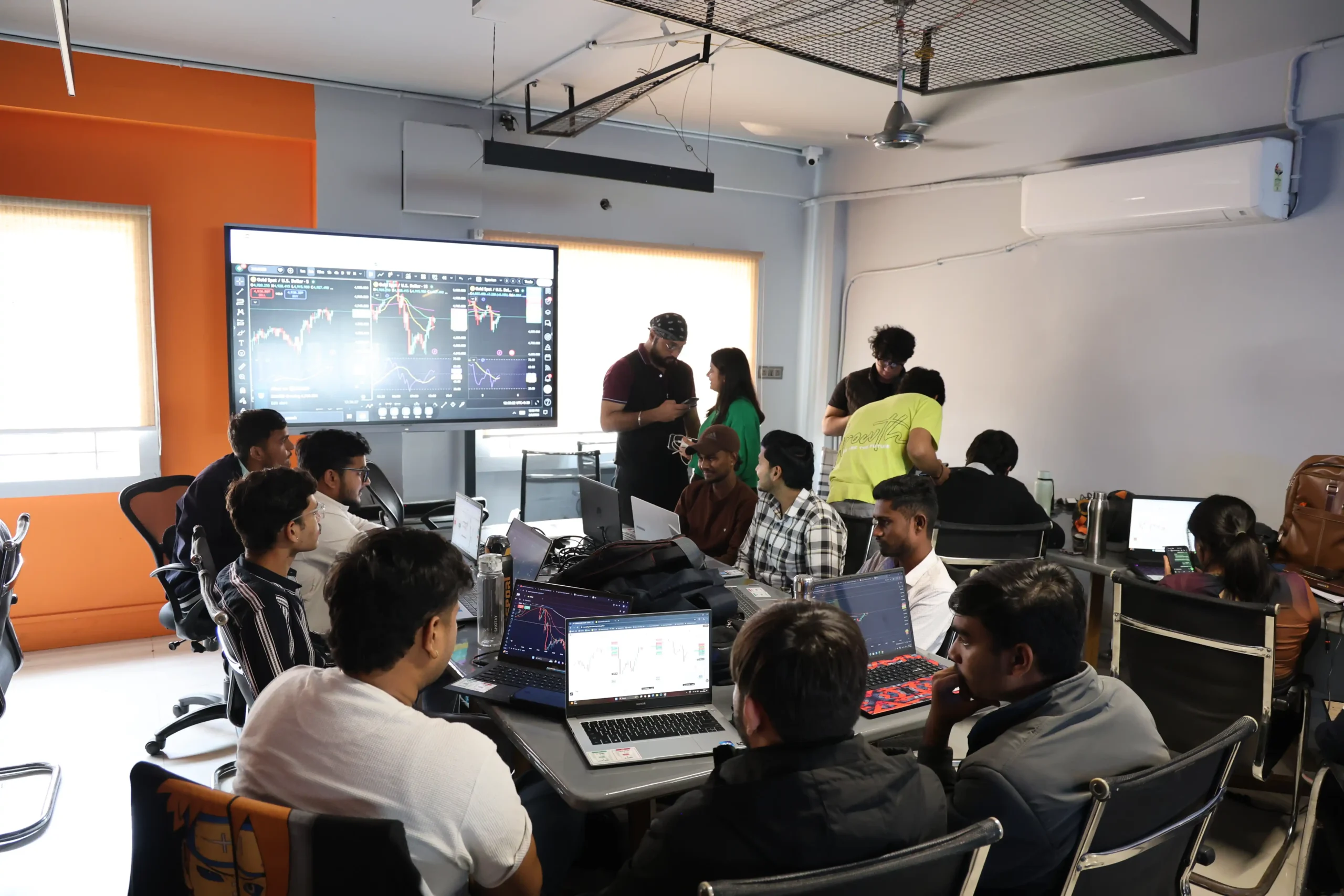
Professional Tools for Monitoring the Real-Time Bid-Ask Spread
To manage the Bid-Ask Spread effectively, you need the right tools. Standard platforms like MT4 and MT5 offer several ways to visualize these costs in real-time.
Using MT4/MT5 Indicators to Visualize the Forex Spread
You can add custom indicators that display the current Bid-Ask Spread in large numbers on your chart. This constant reminder helps Bimal Institute students remain disciplined and avoid entering trades when the Forex Spread is too wide for their strategy.
Analyzing Historical Bid-Ask Spread Data to Choose the Best Broker
Not all brokers are created equal. Some may offer a tight Bid-Ask Spread during the day but widen it excessively at night. We encourage our students to analyze historical data to ensure their broker maintains a competitive Bid-Ask Spread consistently.
Mastering the Bid-Ask Spread Through Bimal Institute’s Live Market Training
Theory only takes you so far. At Bimal Institute, we bridge the gap between classroom learning and the live trading floor. Our students in Indore and Ujjain watch as we navigate the Bid-Ask Spread in real-time, teaching them exactly when to click the mouse and when to stay on the sidelines.
Transitioning from Theory to Profit: Practical Forex Spread Management
Our curriculum includes specific modules on Bid-Ask Spread Calculation and risk management. We don’t just tell you what a spread is; we show you how it impacts your equity curve over 100 trades.
Join Bimal Institute in Indore or Ujjain for Expert Mentorship on Trading Costs
If you are tired of losing money to “hidden” fees, it’s time to learn how the pros handle the Bid-Ask Spread. Our expert mentors provide the guidance needed to turn the Forex Spread from a hurdle into a manageable business expense.
| Broker Evaluation Metric | Importance | Why It Matters for Your Trading Profit |
|---|---|---|
| Average Spread on EUR/USD | Critical | Determines the base cost for the most popular pair. |
| News Spread Widening | High | Prevents huge losses during economic data releases. |
| Stop-Loss Hunting | Critical | Ensures the broker doesn’t widen spreads to hit your SL. |
| Execution Speed | High | Reduces the risk of slippage on top of the spread. |
Forex Trading Institute in Sagar: Master the Global Currency Market 2026
Frequently Asked Questions About the Bid-Ask Spread and Forex Spread Costs
Why is the Bid-Ask Spread higher on weekends?
Liquidity providers are closed on weekends. As the market closes on Friday, liquidity drops, causing the Bid-Ask Spread to widen significantly. It is usually best to avoid holding tight-stop positions over the weekend.
Does the Bid-Ask Spread change based on my trade size?
In most retail environments, the Bid-Ask Spread remains the same. However, for institutional traders dealing in hundreds of millions, a “Liquidity Bridge” might result in a wider Bid-Ask Spread to fill a very large order.
Can I trade without paying a Forex Spread?
Essentially, no. Even “Zero Spread” accounts usually charge a commission per trade. The Bid-Ask Spread is how the market functions; it is an unavoidable cost of liquidity.
How does the Bid-Ask Spread differ in Forex vs. Stock trading?
In Forex, the Bid-Ask Spread is the primary cost. In stocks, you often deal with a spread plus a flat brokerage fee. Forex typically offers much higher liquidity, often resulting in a tighter Bid-Ask Spread relative to the asset price.
Final Summary: Navigating the Bid-Ask Spread to Protect Your Trading Profit
Understanding the Bid-Ask Spread is a non-negotiable requirement for anyone serious about financial independence through trading. While the Forex Spread is an unavoidable part of the market, it is entirely manageable with the right education, timing, and broker selection. At Bimal Institute, we are dedicated to helping you master these nuances through our advanced training programs in Indore and Ujjain.
While many traders fail because they ignore the Bid-Ask Spread, our students learn to incorporate these costs into their risk-reward calculations from day one. Don’t let your Trading Profit be eaten away by preventable costs. Visit Bimal Institute today for a free consultation or to enroll in our live-market trading courses, and see how we manage the Bid-Ask Spread in real-time scenarios to build sustainable wealth.
One Response