

Swap Rate in Forex | What It Is, How It Works & How to Manage It in 2026

Swap rate in forex explained, what it is, how overnight swap is calculated, positive vs negative swap, triple Wednesday swap & how to avoid swap charges. Complete 2026 guide.
If you have ever held a forex position overnight and noticed an unexpected credit or debit on your account the next morning, you have already experienced the swap rate in forex firsthand, even if you did not know what it was called. The swap rate in forex is one of the most misunderstood concepts in retail trading, yet it affects every trader who holds positions beyond the end of the trading day.
Understanding the swap rate in forex is not optional for serious traders. Whether you are a day trader, a swing trader, or a long-term position trader, the swap rate in forex directly impacts your profitability — sometimes in your favour, sometimes against you. In some long-term trades, swap charges can quietly erode weeks of profit without the trader even realising it.

This complete 2026 guide covers everything you need to know about the swap rate in forex — what it is, why it exists, how it is calculated, what positive and negative swaps mean, when triple swap charges apply, and how to manage or avoid swap charges entirely if needed.
View this profile on Instagram
What Is Swap Rate in Forex? — The Core Concept
The swap rate in forex — also commonly called the rollover rate, overnight swap, or forex swap — is the interest fee that is either charged to or paid by a trader when they hold an open position past the daily close of the forex market, which occurs at 5:00 PM EST (New York time).
Every currency pair in the forex market consists of two currencies — a base currency and a quote currency. Each of these currencies has an associated interest rate set by its respective central bank. When you open a forex trade, you are simultaneously borrowing one currency to buy another. The swap rate in forex is essentially the net cost or benefit of this borrowing — it reflects the difference between the interest rates of the two currencies in the pair you are trading.

If the currency you are buying has a higher interest rate than the currency you are selling, you may receive a positive swap — meaning a small credit is added to your account. If the currency you are buying has a lower interest rate than the currency you are selling, you will pay a negative swap — meaning a small debit is taken from your account. This is the fundamental mechanic of the swap rate in forex, and it applies to every open position held past the daily rollover time.
Key Point: The swap rate in forex is not a penalty or a broker fee in the traditional sense. It is a reflection of the real-world interest rate differential between the two currencies in your trade.
Forex Trading Institute in Harda — Why Bimal Institute is the #1 Choice for Harda Traders
Why Does the Swap Rate in Forex Exist?
To understand why the swap rate in forex exists, you need to understand how the interbank forex market actually works. In the real, institutional forex market, currency trades are settled within two business days — this is known as the “spot” settlement. When a retail trader holds a position overnight, their broker essentially “rolls over” the trade into the next settlement date to keep the position open.

This rollover process involves the broker simultaneously closing the position at today’s close and reopening it at the next day’s open — at which point the swap rate in forex, or rollover rate, is applied to account for the interest rate differential between the two currencies. This is why the forex swap is sometimes called the “cost of carry” — it is literally the cost of carrying a position from one settlement date to the next.
View this profile on Instagram
The interest rates that underpin the swap rate in forex are set by central banks — the US Federal Reserve, the European Central Bank, the Bank of England, the Bank of Japan, and others. When there is a large difference between two central banks’ interest rates, the swap rate in forex for that currency pair will be correspondingly larger — either significantly positive or significantly negative, depending on the direction of your trade.
Positive and Negative Swap in Forex — What’s the Difference?
One of the most important distinctions every trader needs to understand about the swap rate in forex is the difference between a positive and a negative swap — because they have opposite effects on your account.
Positive Swap in Forex
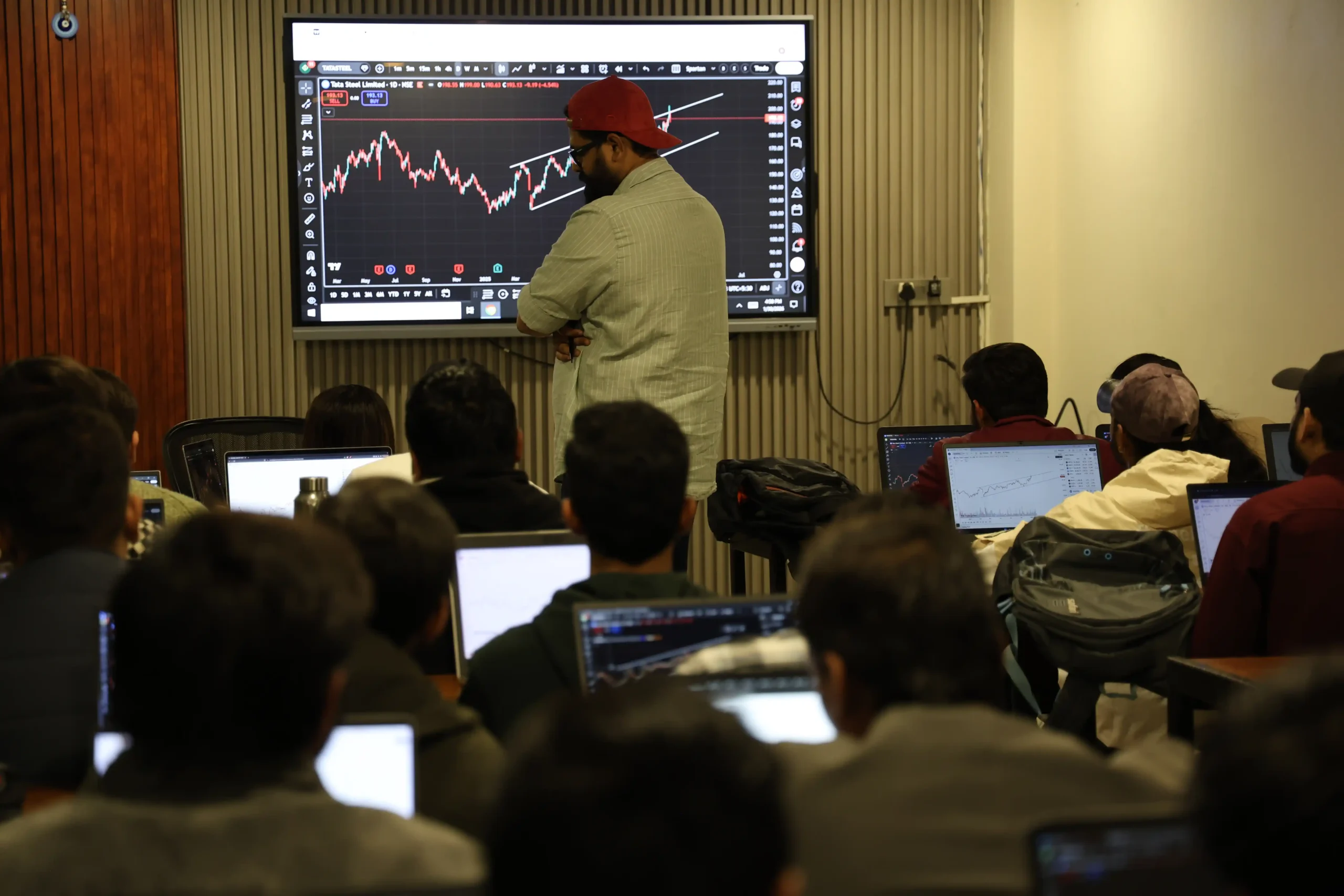
A positive swap occurs when the swap rate in forex works in the trader’s favour — meaning a small credit is added to their account for each night the position is held open. This happens when the currency being bought has a higher interest rate than the currency being sold. For example, if a trader buys AUD/JPY (Australian Dollar vs Japanese Yen), they are buying a currency with a relatively high interest rate (AUD) and selling a currency with a very low interest rate (JPY). In this case, the swap rate in forex is likely to be positive — the trader actually earns a small amount each night simply for holding the position.

Some traders specifically seek out positive and negative swap in forex opportunities and build strategies around earning consistent positive swap income. This approach is known as the “carry trade” — and the swap rate in forex is its entire foundation.
Negative Swap in Forex
A negative swap occurs when the swap rate in forex works against the trader — meaning a small debit is taken from their account for each night the position is held. This is the more common experience for most retail traders, particularly those trading pairs where the currency being bought has a lower interest rate than the one being sold.
Negative swap charges are the silent cost that many swing traders and position traders overlook when planning their trades. A trade that looks profitable on paper over a two-week holding period may actually produce a net loss once cumulative negative swap charges are factored in. This is why understanding the swap rate in forex before entering any multi-day trade is not just important — it is essential.
Forex Trading Institute in Harda — Why Bimal Institute is the #1 Choice for Harda Traders
How to Calculate Swap Rate in Forex
Knowing how to calculate the swap rate in forex manually gives you complete clarity on the true cost of holding any position overnight. The standard formula used to calculate forex swap charges is:
However, most brokers express their swap rate in forex in swap points or pips per night, making the practical calculation even simpler:
Let’s walk through a real example to make this concrete:
Forex Trading Institute in Harda — Why Bimal Institute is the #1 Choice for Harda Traders
📊 Swap Rate in Forex — Calculation Example
Currency pair: EUR/USD
Position: Buy (Long) 1 standard lot = 100,000 units
Broker’s overnight swap rate (long): -0.52 points per night
Position held for: 5 nights
Swap per night: -0.52 ÷ 10 × 1 lot = -$0.052 per night
Total swap charge over 5 nights: -$0.052 × 5 = -$0.26
On a 10-lot position held for 5 nights: -$0.26 × 10 = -$2.60
On a 100-lot position held for 30 nights: significantly more — always calculate before holding long term.
While individual swap amounts may seem small on a single lot, they compound significantly on larger positions held over extended periods. Always check your broker’s specific swap rate in forex for every pair before planning any overnight or multi-day trade.
Triple Swap Wednesday — The Often Overlooked Rule
One of the most frequently misunderstood aspects of the swap rate in forex is what happens on Wednesdays. Most traders know that swap charges are applied once per night for each night a position is held. What many do not know is that on Wednesday nights specifically, the forex swap is charged at triple the normal rate.
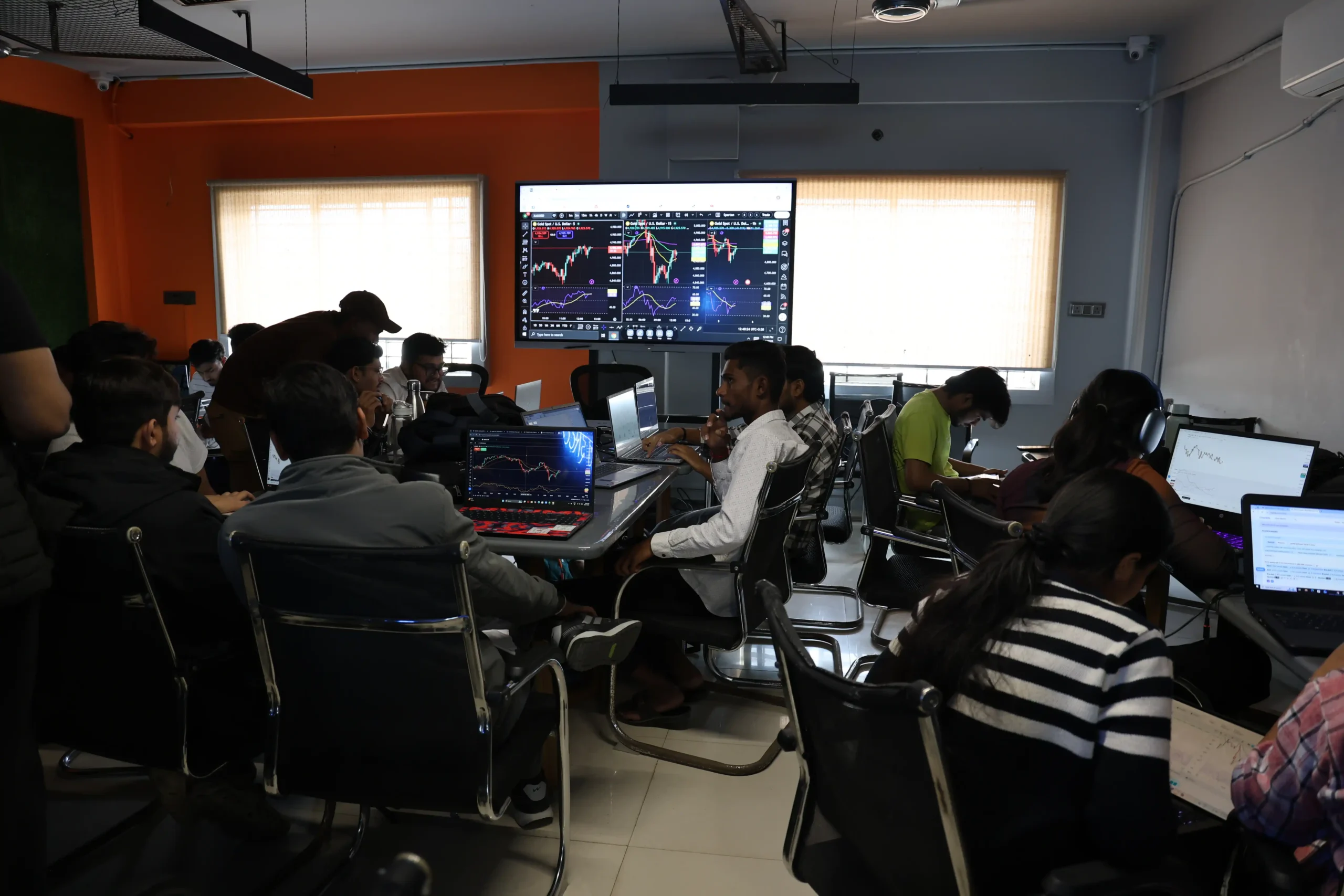
This happens because of the two-business-day settlement convention in forex markets. When a position is rolled over on Wednesday night into Thursday, the settlement date moves from Friday to the following Monday — crossing the weekend. Since the weekend represents two additional days of interest accrual (Saturday and Sunday), the broker applies three days’ worth of swap charges in a single night to account for this.
The practical implication of triple swap Wednesday forex is significant for traders who regularly hold positions over the midweek rollover. A trader holding 10 lots of a pair with a negative swap rate in forex will pay three times the normal overnight cost on Wednesday night — often without realising it. Being aware of this rule and factoring it into your holding cost calculations is a fundamental part of managing the swap rate in forex effectively.

Remember: Triple swap applies on Wednesday night (rollover to Thursday) for most forex pairs. Always factor this into your cost calculation if you plan to hold positions through Wednesday.
Swap Rate Is Different for Buy and Sell Positions
A critical detail about the swap rate in forex that many beginners overlook is that the swap rate is not the same for both directions of a trade. Every currency pair has two separate swap rates — one for long (buy) positions and one for short (sell) positions. These rates are different, and in many cases, one direction carries a positive swap while the other carries a negative swap.

| Currency Pair | Long (Buy) Swap | Short (Sell) Swap | Better Direction for Carry |
|---|---|---|---|
| AUD/JPY | Positive (+) | Negative (−) | Long (Buy) |
| EUR/USD | Negative (−) | Slightly Positive (+) | Short (Sell) |
| USD/TRY | Positive (+) | Strongly Negative (−) | Long (Buy) |
| GBP/JPY | Positive (+) | Negative (−) | Long (Buy) |
| EUR/JPY | Positive (+) | Negative (−) | Long (Buy) |
Always check your broker’s swap table for both directions before opening any trade you plan to hold overnight. The swap rate in forex for the same pair in different directions can vary substantially — and this difference can meaningfully affect the profitability of your trade over a multi-day holding period.
How to Avoid Swap Charges in Forex
Not every trader wants to deal with the complexity of managing the swap rate in forex. If swap charges are a concern for your trading strategy, here are the most effective ways to avoid or minimise them:
1. Close Positions Before the Daily Rollover
The simplest way to avoid the swap rate in forex entirely is to close all open positions before 5:00 PM EST each day. Day traders who open and close all their trades within a single session are never subject to swap charges because their positions do not exist at the rollover time. If your strategy is inherently intraday, the swap rate in forex is simply not a factor.
Best Forex Trading Institute in Indore: Learn Professional Currency Trading 2026
2. Use a Swap-Free (Islamic) Forex Account
Many regulated brokers offer swap-free forex accounts — also known as Islamic accounts — specifically designed for traders whose religious beliefs prohibit the payment or receipt of interest. A swap free forex account charges no overnight interest on open positions, replacing the swap rate in forex mechanism with an alternative fee structure that complies with Islamic finance principles. These accounts are available to traders of any background at most regulated brokers — not just those with religious requirements.
3. Trade Only During Low-Swap Hours
Some traders time their entries and exits specifically to avoid the rollover window, ensuring that while they may hold positions for extended periods, they do so in a way that minimises their cumulative exposure to swap charges. This requires careful scheduling and is more relevant for strategies that involve holding positions for several hours rather than multiple days.
4. Favour Positive Swap Directions
Rather than avoiding the swap rate in forex, experienced traders often actively factor it into their trade selection. When two trade setups are otherwise equal, choosing the one with a positive rollover rate adds a small but consistent income stream to the position. Over time and across many trades, positive swap charges can contribute meaningfully to overall profitability.
Swap-Free Forex Account — What You Need to Know
A swap-free forex account eliminates the swap rate in forex mechanism entirely. Instead of charging or crediting interest at the daily rollover, brokers offering swap-free forex accounts typically apply a fixed administration fee for positions held beyond a certain number of nights, or widen the spread slightly to compensate for the absence of swap charges.
For traders who regularly hold positions for multiple days or weeks, a swap free forex account can result in significant cost savings — especially on pairs with large negative swap rates. However, it is important to read the specific terms of any swap-free forex account carefully, as the alternative fee structures brokers use vary considerably and may not always represent a better deal than simply managing the standard swap rate in forex.
Swap Rate in Forex vs Interest Rate — Key Difference
Many traders confuse the swap rate in forex with the central bank interest rate itself. While they are related, they are not the same thing. The central bank interest rate is the base rate set by a country’s monetary authority — the US Fed rate, the ECB rate, the Bank of England base rate, and so on. The swap rate in forex, on the other hand, is derived from the difference between these rates — adjusted for broker markup, the specific currency pair, and current interbank lending conditions.
This means that two pairs involving the same currency can have very different swap rates in forex depending on the other currency in the pair. It also means that the swap rate in forex can change over time as central banks adjust their interest rates — which is why traders should regularly review their broker’s swap tables rather than assuming the rates they knew six months ago are still accurate today.
Frequently Asked Questions About Swap Rate in Forex
What is swap rate in forex trading?
The swap rate in forex trading is the interest fee — either paid or received — when a trader holds an open position past the daily rollover time of 5:00 PM EST. It reflects the difference in interest rates between the two currencies in the traded pair. A positive swap rate in forex credits the trader’s account; a negative one debits it.
How does the swap rate in forex work?
When you hold a forex position overnight, your broker rolls it over into the next settlement date. As part of this process, the swap rate in forex — based on the interest rate differential between the two currencies — is either added to or subtracted from your account. This happens automatically at rollover time every night the position is open.
When is the triple swap charged in forex?
The triple swap rate in forex is charged on Wednesday nights. Because the forex market uses a two-business-day settlement convention, rolling over on Wednesday night moves settlement from Friday to Monday — covering the weekend. Brokers apply three nights’ worth of swap charges in one night to account for Saturday and Sunday.
How can I avoid swap charges in forex?
You can avoid swap charges in forex by closing all positions before the 5:00 PM EST daily rollover, using a swap-free forex account (Islamic account), or specifically trading in the direction that carries a positive swap rate in forex for your chosen pair.
Is a swap-free forex account better?
A swap-free forex account can be beneficial for traders who regularly hold positions for multiple days or weeks, particularly on pairs with large negative swap rates in forex. However, brokers typically replace the swap with an alternative fee or wider spread, so it is important to compare the true cost of both account types before deciding.