
What Is Hedging in Trading & Investing? Powerful Risk Protection Explained 2026

Hedging is not a trick or shortcut. It is a defensive mechanism used globally in finance. Whether someone searches what is hedging in finance or what is hedging with example, the core idea remains the same: protection comes before profit.
Most beginners enter the market with one question in mind: how to make profit. But experienced traders ask a different question: how to control loss. This is why queries like what is hedging in trading and what is hedging in stock market are searched so frequently. Hedging becomes important the moment a trader understands that markets are uncertain and losses are part of the game.
Learn Trading at Bimal InstituteWhat Is Hedging in Finance?
To understand what is hedging in finance, it is important to look at risk first. In finance, hedging means taking a position that reduces the impact of unfavorable price movements in an asset. It is a planned action, not an emotional reaction.

When people ask what is hedging in finance, they are usually trying to understand how professionals protect capital. Banks, institutions, and large investors use hedging regularly to manage uncertainty. Hedging does not remove risk completely, but it helps control damage when markets move unexpectedly.
The concept of what is hedging in finance applies equally to individuals and companies. The scale may differ, but the principle remains unchanged.
What Is Hedging in Trading?
For retail traders, what is hedging in trading means creating balance. Trading involves frequent exposure to volatility. When a trader opens a position, they are exposed to both opportunity and risk. Hedging is used to control that risk.
When beginners search what is hedging in trading, they often think it is a way to guarantee profit. This is incorrect. Hedging in trading is meant to reduce loss, not increase gains. A properly hedged trade may give smaller profit, but it also avoids large emotional losses.
Understanding what is hedging in trading is a sign of maturity in a trader’s journey.
What Is Hedging in Stock Market?
In equity markets, what is hedging in stock market usually refers to protecting a portfolio or a specific stock position. Stock prices are influenced by earnings, news, economic conditions, and global events. Even strong companies face temporary downturns.
When investors ask what is hedging in stock market, they are often long-term participants who want stability. Hedging allows them to stay invested without panicking during volatility. This is why portfolio protection is a key concept taught in professional market education.
The idea of what is hedging in stock market becomes especially important during uncertain phases like recessions or major global events.
What Is Hedging in Gold?
Gold is traditionally seen as a safe asset, but even gold prices fluctuate. When people ask what is hedging in gold, they are usually referring to protecting against price volatility or inflation risk.
What is hedging in gold can also mean using gold as a hedge itself. Many investors hedge their equity exposure by holding gold. Others hedge gold price risk if their business depends on it. In both cases, what is hedging in gold revolves around stability and preservation of value.
This concept is widely used by investors who want to balance risk across asset classes.
What Is Hedging with Example?
Many beginners understand concepts better with examples, which is why what is hedging with example is such a common search. A simple way to explain what is hedging with example is through insurance.

When you buy insurance, you pay a small fixed amount to protect yourself from a large uncertain loss. Similarly, in trading or investing, a hedge may cost money or reduce profit, but it protects capital.
Another what is hedging with example scenario is diversification. When money is spread across different assets, losses in one area may be offset by stability in another. These examples make the concept easier to understand for beginners.
What Is Hedging Language and What Is Hedging in Grammar?
Not all searches for hedging are related to finance. Some people search what is hedging language or what is hedging in grammar. In language, hedging refers to using words that soften statements, such as “maybe,” “possibly,” or “it seems.”
Understanding what is hedging language is important in academic writing and communication, where certainty is reduced intentionally. Similarly, what is hedging in grammar refers to sentence structures that avoid absolute claims.
Although what is hedging language and what is hedging in grammar are not financial concepts, the underlying idea is similar. In both cases, hedging is about reducing risk, whether it is financial risk or communicative risk.
What Is Hedging in English?
When people ask what is hedging in English, they usually want a simple definition. In English, hedging means using words or strategies to avoid extreme positions. This applies both in language and finance.

Explaining what is hedging in English helps beginners who are not comfortable with complex terminology. Whether in trading or communication, the idea of hedging remains connected to caution and balance.
That is why what is hedging in English often overlaps with explanations of finance, grammar, and language usage.
Learning Hedging the Right Way
Many losses occur not because traders do not know what is hedging in trading, but because they apply it incorrectly. Over-hedging, copying strategies, or using complex instruments without understanding leads to confusion.

At Bimal Institute, hedging is taught as part of complete risk management. Students learn what is hedging in finance, how it applies to real markets, and when hedging should be avoided. This practical approach helps build discipline and confidence.
Learn Trading at Bimal InstituteAdvantages and Limitations of Hedging
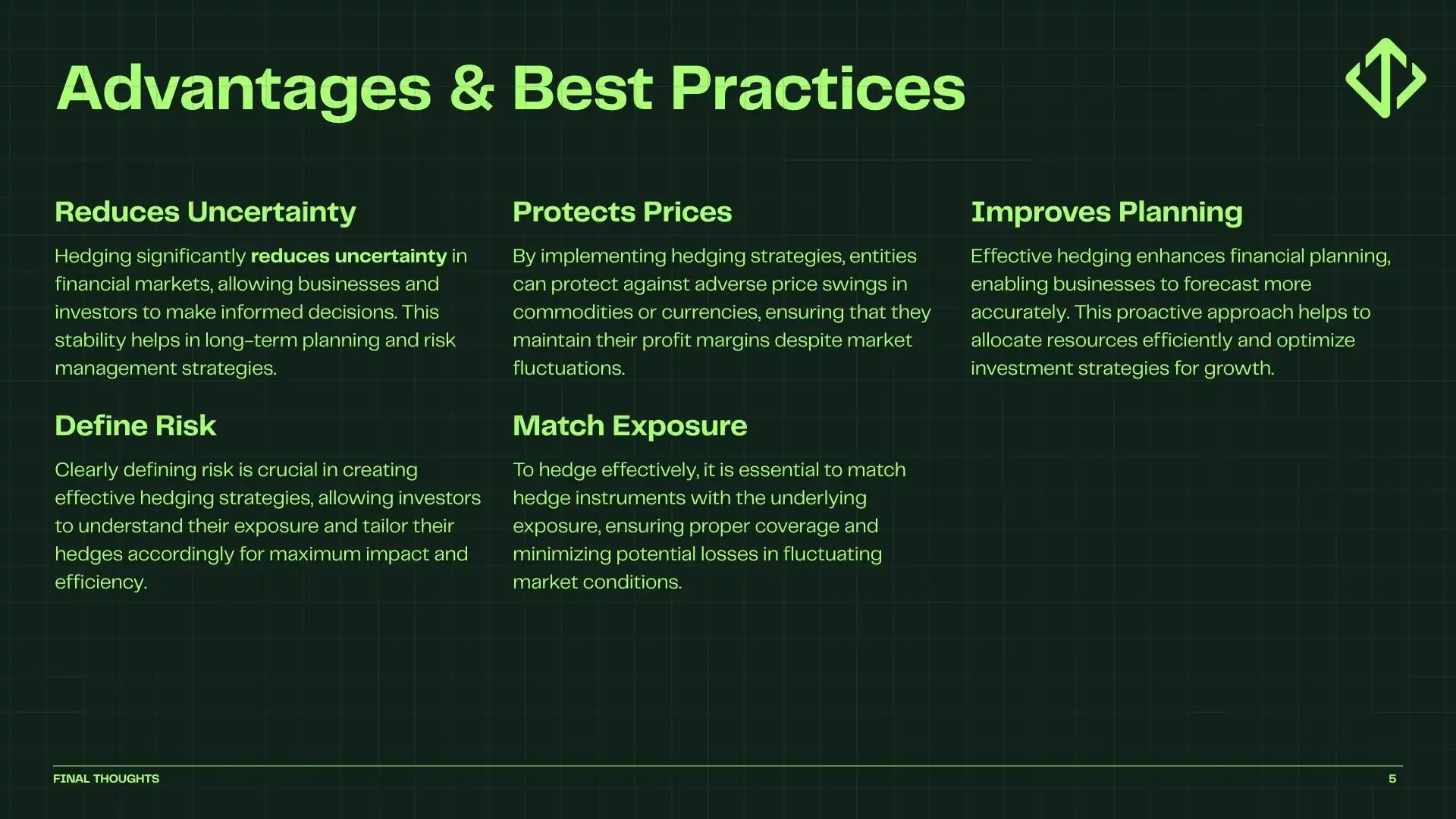
Hedging protects capital and reduces emotional pressure. It allows traders and investors to survive difficult market phases. However, hedging also has limitations. It can reduce profits and involve costs. Understanding these trade-offs is essential for anyone learning what is hedging in stock market or what is hedging in trading seriously.
Hedging is a tool, not a guarantee.
Final Conclusion: Why Hedging Matters
Hedging is about survival, not excitement. Traders who understand what is hedging in finance focus on longevity. Markets reward discipline over time. Losses cannot be avoided completely, but they can be controlled.
Whether someone searches what is hedging in gold, what is hedging with example, or what is hedging in English, the core principle remains the same. Hedging is about reducing uncertainty and protecting what you already have.
FAQS about Hedging
What is hedging in simple terms?
In simple terms, hedging means protecting yourself from possible loss. In trading or investing, hedging is like a safety cover. When you hedge, you accept a small cost or reduced profit so that a big unexpected loss can be avoided. The main goal of hedging is safety, not profit.
What is a good example of hedging?
A good example of hedging is insurance. You pay a small premium regularly to protect yourself from a large financial loss in case of an accident. In the stock market, buying a protective option against a stock you own works in a similar way. If the stock falls, the hedge helps reduce the loss.
What does 50% hedge mean?
A 50% hedge means that only half of your position is protected. This means if the market moves against you, only 50% of the loss is reduced or balanced by the hedge. Traders use partial hedging when they want some protection but still want to benefit if the market moves in their favor.
What is hedging in forex?
Hedging in forex means opening a position that protects you from currency price fluctuations. Forex markets move very fast due to news, interest rate changes, and global events. Traders hedge in forex to reduce risk during high volatility or uncertain market conditions.
What are the top 3 hedge funds?
Hedge funds are professional investment funds that use advanced strategies, including hedging. Globally known hedge funds often mentioned include Bridgewater Associates, Renaissance Technologies, and Man Group. These funds focus heavily on risk management rather than only chasing returns. (This is Not a Suggestion)
What is the 3 5 7 rule in trading?
The 3-5-7 rule in trading is a risk management principle followed by many traders. It generally means not risking more than a small percentage on a single trade, limiting exposure across trades, and protecting overall capital. The exact interpretation may vary, but the core idea is capital protection.
Which is the best example of hedging?
The best example of hedging depends on the situation, but insurance remains the easiest and most relatable example. In financial markets, diversification across different assets is often considered the best basic form of hedging for beginners because it reduces risk naturally.
Why do traders use hedging?
Traders use hedging to control losses and reduce emotional pressure. Markets are unpredictable, and hedging helps traders survive sudden adverse movements. Hedging allows traders to stay disciplined, avoid panic decisions, and focus on long-term consistency.
What are the three types of hedging?
The three common types of hedging are diversification-based hedging, derivative-based hedging using options or futures, and natural hedging where assets balance each other naturally. Each type serves the same purpose, which is risk reduction.
How to make profit by hedging?
Hedging itself is not meant to make profit. Its main purpose is protection. However, some advanced traders may earn small gains from hedged positions during volatile markets. For beginners, hedging should be used only to control losses, not to generate income.
What is an example of hedging a stock?
An example of hedging a stock is when an investor owns shares and buys a protective option to limit downside risk. If the stock price falls, the hedge reduces the overall loss. This allows the investor to stay invested without fear.
Is hedging illegal in India?
Hedging is legal in India when done through approved instruments and regulated exchanges. SEBI allows hedging using derivatives such as futures and options. However, certain strategies may be restricted to specific participants, so rules should always be followed.
How does hedging work in stocks?
Hedging in stocks works by taking a protective position against an existing stock holding. If the stock moves against the investor, the hedge absorbs part of the loss. This helps maintain stability in the overall portfolio during volatile periods.
How to calculate hedging cost?
Hedging cost is calculated based on the price paid for protection, such as option premium or reduced returns due to diversification. This cost is considered acceptable because it helps avoid much larger potential losses. Professional traders always factor hedging cost into their risk planning.
About Bimal Institute
Bimal Institute is a trading education institute focused on stock market, forex, and crypto trading. The institute emphasizes risk management, psychology, and real-world application. Concepts like what is hedging in trading and what is hedging in stock market are taught with clarity and practical relevance, not shortcuts.