

Is Forex Trading Legal in India? (2026 RBI Rules Explained)
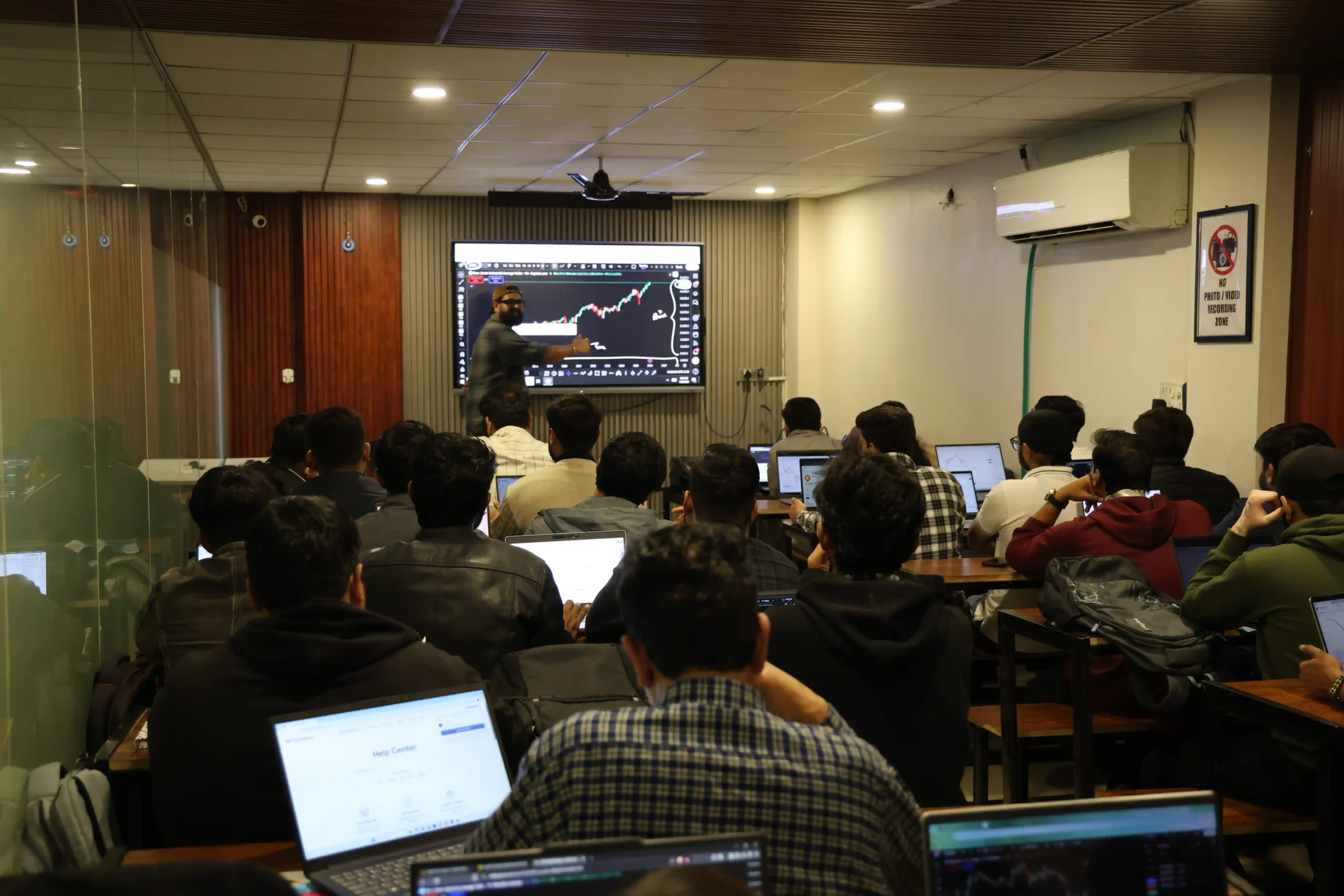
Yes — forex trading is legal in India, but only in a specific, regulated way. You may trade exchange-traded currency derivatives (futures and options) on recognised Indian exchanges such as the NSE, BSE and MSE, through a SEBI-registered broker, and only in RBI/SEBI-approved currency pairs.
- Legal — currency F&O on Indian exchanges via a SEBI-registered broker
- Illegal — trading on offshore/unauthorised platforms listed on the RBI “Alert List”
- The law — governed by the Foreign Exchange Management Act (FEMA), 1999
Why this matters immediately: The flashy app promising “1:500 leverage” and “instant withdrawals” is almost always an offshore broker that is illegal for Indian residents. People discover this only after their funds are frozen — with no legal protection in India. Knowing the rules before you deposit a single rupee is the difference between a legal trade and a FEMA violation.
Forex is one of the most searched financial topics in India — and one of the most misunderstood. At Bimal Institute, Indore (training traders since 2016), one of the first things we teach is how to trade forex the legal way. This guide breaks down the 2026 RBI and SEBI rules in plain language.
Is forex trading legal in India in 2026?
Yes, forex trading is legal in India when done through a SEBI-registered broker on a recognised exchange, in approved currency pairs. It becomes illegal the moment you trade through unauthorised offshore brokers or remit money abroad for currency speculation. The legality is conditional and depends on three things:
- Which currency pairs you trade
- Which platform or exchange you use
- Whether your broker is registered with the right Indian regulator
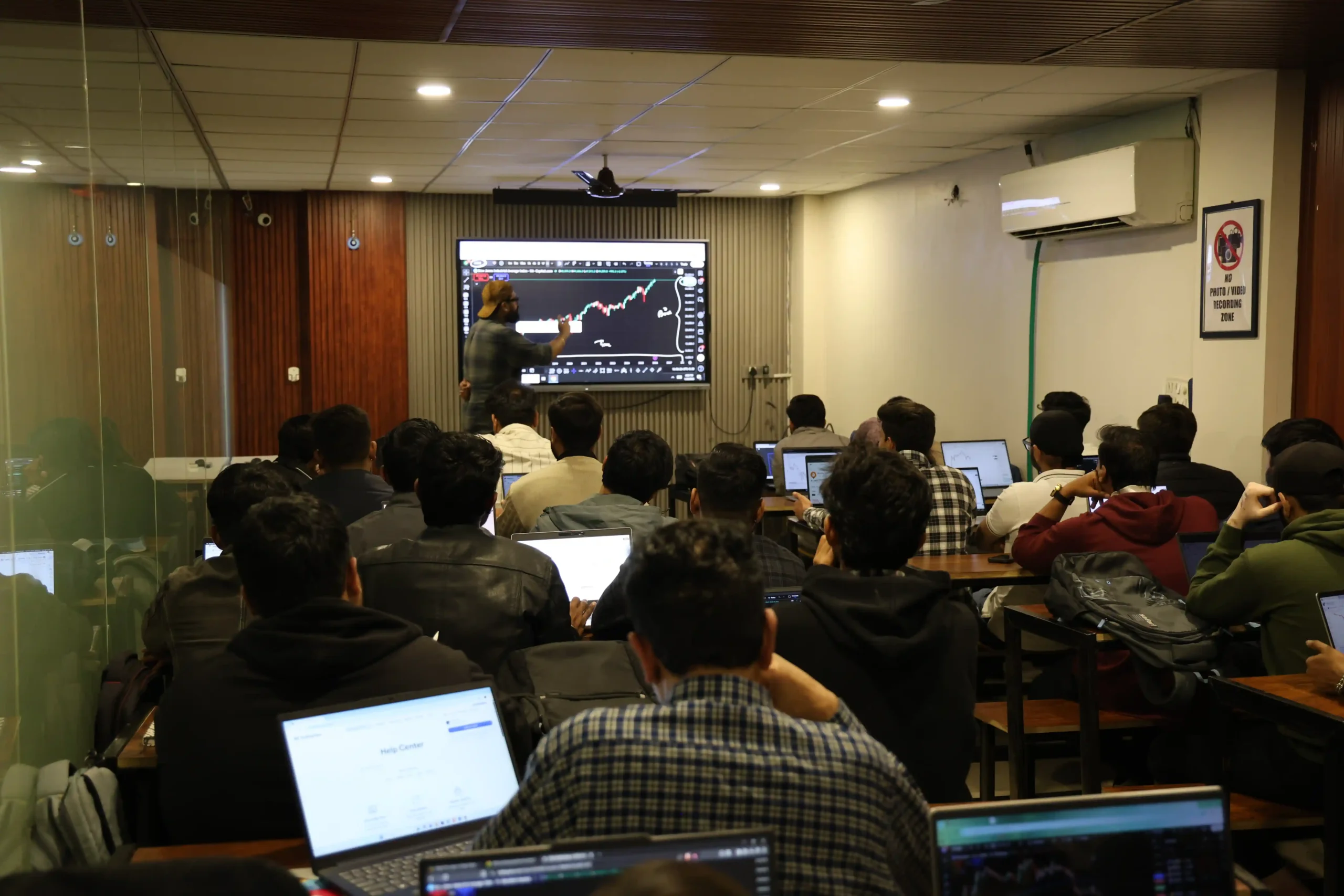
Who regulates forex trading in India?
Three pillars govern every legal forex transaction in India:
- FEMA, 1999 (the law): The Foreign Exchange Management Act controls how foreign currency moves in and out of India.
- RBI (the currency authority): Decides which pairs are tradable, on which platforms, and through which dealers. It also maintains the Alert List.
- SEBI (the market regulator): Regulates brokers and exchanges. Any broker offering currency derivatives must hold a SEBI registration for it.
In short: FEMA sets the rules, RBI controls the currency, and SEBI controls the market — while the Enforcement Directorate (ED) handles violations. Understanding how central banks like the RBI influence the forex market is foundational for any Indian trader.
What type of forex trading is legal vs illegal in India?
| ✅ Legal in India | ❌ Illegal in India |
|---|---|
| Currency futures & options on NSE, BSE or MSE | “Spot forex” / margin trading on offshore apps |
| Trading through a SEBI-registered broker | Brokers listed on the RBI Alert List |
| INR-based pairs + 3 approved cross pairs | Freely trading all global pairs (e.g. AUD/CAD) |
| Global pairs via an IFSCA broker in GIFT City | Remitting money abroad (LRS) for forex margin |
| Exchange-settled, regulated contracts | Unauthorised Electronic Trading Platforms (ETPs) |
The key takeaway: in India, retail forex is exchange-traded and regulated — not the unrestricted “spot forex” advertised by international platforms.
Which currency pairs can you legally trade in India?
Indian residents can legally trade a limited, RBI/SEBI-approved set of pairs as exchange-traded derivatives:
| Type | Approved Pairs |
|---|---|
| INR pairs | USD/INR, EUR/INR, GBP/INR, JPY/INR |
| Cross-currency pairs (permitted since 2018) | EUR/USD, GBP/USD, USD/JPY |
You cannot legally trade the full universe of global pairs the way a trader in the UK or US might. To understand how these instruments differ, see our guide to major, minor and exotic currency pairs.
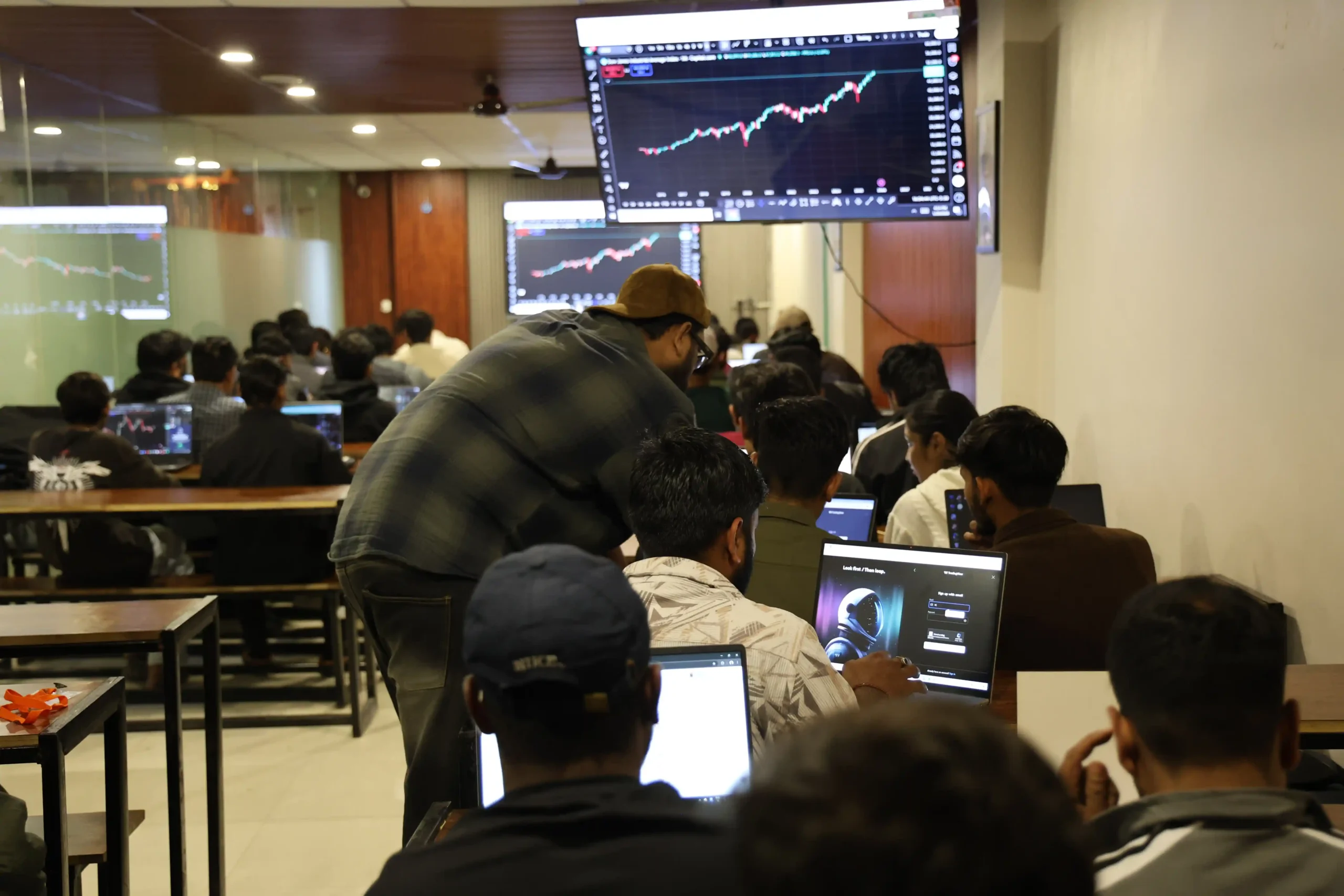
What is the RBI “Alert List” — and why should you care?
The RBI Alert List is an official list of platforms and entities that are not authorised to deal in forex or operate trading platforms in India. If a broker is on this list, using it is a FEMA violation. A few facts every trader should know:
- As of the update on 19 November 2025, the RBI added seven more names — Starnet FX, CapPlace, Mirrox, Fusion Markets, Trive, NXG Markets and Nord FX — taking the list to roughly 95 flagged platforms.
- The list is “not exhaustive.” RBI explicitly warns that an entity not on the list should not be assumed to be authorised.
- The list also includes entities that merely advertise, promote, or provide “training/advisory” services for unauthorised forex.
Important: Because the list even flags those who train for illegal forex, a genuine education provider always teaches the legal, exchange-traded route — never pushing you toward an offshore app. This is exactly why choosing a credible institute and a transparent forex broker matters so much.
Is it illegal to use offshore brokers or MetaTrader in India?
Yes — for an Indian resident, trading through unauthorised offshore brokers is illegal under FEMA, regardless of how popular the platform is. Many heavily-marketed MetaTrader-based and “CFD” platforms fall outside Indian authorisation.

These platforms lure users with extreme leverage (often 1:200 to 1:500), which Indian-regulated products deliberately do not offer. But that leverage is also how most retail accounts get wiped out. Before you are ever tempted, understand the pros and cons of leverage — it is the single fastest way to blow up an account.
Can you trade global forex legally via GIFT City?
Yes — there is a legal route to global markets through IFSCA-registered brokers in GIFT City. The RBI permits residents to use the Liberalised Remittance Scheme (LRS) to invest in securities within GIFT City’s International Financial Services Centre.
Key distinction: Using LRS to fund an IFSCA-registered GIFT City broker is legal. Using LRS to fund an offshore forex margin account for speculation is a FEMA violation. Many established Indian brokers now run GIFT City subsidiaries for exactly this purpose.
What are the penalties for illegal forex trading in India?
Trading on unauthorised platforms can render you liable for penal action under FEMA. The RBI has repeatedly cautioned that residents dealing with unauthorised persons or platforms face consequences. In practice, this can mean:
- Investigation by the Enforcement Directorate (ED)
- Monetary penalties under FEMA
- Attachment of proceeds linked to the transactions
- No legal protection if an offshore platform freezes or steals your funds
Victims of such platforms can report fraud through the Indian Cyber Crime Coordination Centre (I4C).
How to start forex trading legally in India (step-by-step)
- Open an account with a SEBI-registered broker that offers currency derivatives.
- Verify the broker on SEBI’s official website and confirm it is not on the RBI Alert List.
- Trade only approved pairs (INR pairs + the three cross pairs) on NSE, BSE or MSE.
- Start small and learn risk management before risking real capital.
- Get structured education instead of learning from random tips — it shortens the learning curve and keeps you compliant.
4 Case Studies — Indian Traders Who Got the Legality Right
The following are illustrative, representative examples based on common situations our mentors see. They focus on legal compliance and learning outcomes — they are not profit testimonials and do not represent or guarantee any financial return.
📌 Case Study 1 — Arjun Sharma, Indore | One Click Away From an Offshore Trap
Background: Arjun, a 24-year-old final-year student from Indore, was about to deposit ₹15,000 into a heavily-advertised app promising 1:500 leverage and “same-day payouts.” The ads were everywhere on his social feed.
What he checked: Before funding, he searched the platform’s name against the RBI Alert List — and found a near-identical flagged entity. He also realised the app was not registered with SEBI and was based offshore.
The lesson: The leverage that attracted him was exactly what made the platform illegal for Indian residents. Had he deposited, he would have had no legal recourse if his money disappeared.
What changed: He shifted to learning INR currency derivatives on a SEBI-registered broker through a structured course — legal from day one, with zero FEMA exposure.
📌 Case Study 2 — Priya Mehta, Bhopal | Switching Off an Unauthorised Platform
Background: Priya, a 31-year-old salaried professional from Bhopal, had been trading on an offshore ETP for several months. She assumed that because the app “worked” and processed small withdrawals, it must be fine.
What she learned: The platform was an unauthorised Electronic Trading Platform — every trade was technically a FEMA violation, regardless of whether withdrawals succeeded. She also learned that funding it via international cards sat outside permitted LRS purposes.
What changed: She closed the offshore account and migrated to exchange-traded currency futures and options through a SEBI-registered broker.
📌 Case Study 3 — Rahul Verma, Jabalpur | The Legal Route to Global Pairs
Background: Rahul, a 28-year-old business owner from Jabalpur, genuinely wanted exposure to global pairs beyond the limited Indian list. His first instinct was to sign up with a popular offshore broker.
What he discovered: Instead of risking an Alert-List platform, he learned about the IFSCA / GIFT City pathway — where Indian residents can access broader international markets through a legal, regulated channel using LRS correctly (for investment, not prohibited margin speculation).
What changed: He opened an account with an IFSCA-registered GIFT City entity instead of an offshore broker.
📌 Case Study 4 — Neha Tiwari, Ujjain | The Cautionary Tale of Frozen Funds
Background: Neha, a 34-year-old from Ujjain, had a withdrawal “stuck” on an offshore platform she had used for months. Support stopped responding, and the platform later appeared on the RBI Alert List.
The hard reality: Because the platform was unauthorised, she had no legal recourse in India — regulators cannot help recover funds sent to an illegal entity.
What changed: She reported it via the I4C cybercrime portal and rebuilt her trading on a SEBI-registered broker. “Is this platform authorised?” is now her very first question before funding any account.
The common thread across all four: legality is checked before funding, not after losing money.
FAQs — Forex Trading Legality in India
Is forex trading legal in India?
Yes. Forex trading is legal in India when done through a SEBI-registered broker on recognised exchanges (NSE, BSE, MSE) in approved currency pairs, as exchange-traded derivatives. Trading via unauthorised offshore platforms is illegal under the Foreign Exchange Management Act (FEMA), 1999.
Which forex pairs can Indians trade legally?
INR-based pairs (USD/INR, EUR/INR, GBP/INR, JPY/INR) and three approved cross-currency pairs (EUR/USD, GBP/USD, USD/JPY), traded as exchange-listed currency derivatives on recognised Indian exchanges.
Is using offshore brokers or MetaTrader illegal in India?
For Indian residents, trading through unauthorised offshore brokers is illegal under FEMA, even if the platform is widely advertised or processes small withdrawals. Many such platforms appear on the RBI Alert List. MetaTrader itself is just software — the issue is whether the broker behind it is authorised in India.
What is the RBI Alert List?
It is an official RBI list of entities that are not authorised to deal in forex or operate electronic trading platforms in India. As of November 2025 it had grown to around 95 platforms and is updated regularly. The list is “not exhaustive,” so a platform’s absence does not mean it is authorised.
Can I trade global forex legally from India?
Yes — through IFSCA-registered brokers in GIFT City, using the Liberalised Remittance Scheme correctly for investment purposes. However, using LRS to fund an offshore forex margin account for speculation is a FEMA violation.
What is the penalty for illegal forex trading in India?
Penal action under FEMA, which can include investigation by the Enforcement Directorate, monetary penalties, and attachment of proceeds — plus no legal protection if an offshore platform withholds your funds.
How do I check if my forex broker is legal in India?
Verify the broker’s registration on SEBI’s official website, confirm it offers currency derivatives on a recognised exchange (NSE, BSE, MSE), and cross-check that it does not appear on the RBI Alert List. If a platform is offshore and offers very high leverage on spot forex, treat it as a red flag.
Is forex trading taxed in India?
Yes. Income from legal currency derivatives trading is taxable in India. Depending on how you trade, it may be treated as business income or capital gains. Always consult a qualified tax professional for your specific situation.
Can I use the LRS to trade forex abroad?
No — the Liberalised Remittance Scheme cannot be used to fund margin trading or speculation in forex on offshore platforms. That is a FEMA violation. LRS can be used for permitted purposes such as investing in securities through a GIFT City / IFSCA-registered entity.
Is crypto trading legal in India like forex?
Crypto is regulated differently from forex. It is not banned, but it is taxed heavily and falls outside the RBI/SEBI currency-derivatives framework. If you trade both, learn the rules for each separately rather than assuming they are the same.
Why does India restrict forex trading so much?
The restrictions exist to protect the rupee from excessive speculation, prevent unregulated capital outflow, and shield retail traders from high-leverage offshore platforms that frequently lead to large losses and fraud.
Where can I learn legal forex trading in India?
Choose an institute that teaches the legal, exchange-traded approach and risk management — not one that promotes offshore platforms. Bimal Institute’s Crypto & Forex Trading Program covers compliant trading, risk management and live market practice under expert mentorship.
Want to learn forex the legal, exchange-traded way — with live mentorship? Bimal Institute’s Crypto & Forex Trading Program covers compliant trading, risk management, position sizing and live practice. Training traders across Central India since 2016. A free trading course is also available. Enroll at bimalinstitute.com/admission-page or call +91 8889422237.
Disclaimer: This article is for educational purposes only and does not constitute legal, financial, or investment advice. Regulations can change — always verify the current rules on the official RBI and SEBI websites or consult a qualified professional. Trading involves substantial risk of loss.