

What Are Major, Minor, and Exotic Currency Pairs? Complete Forex Guide
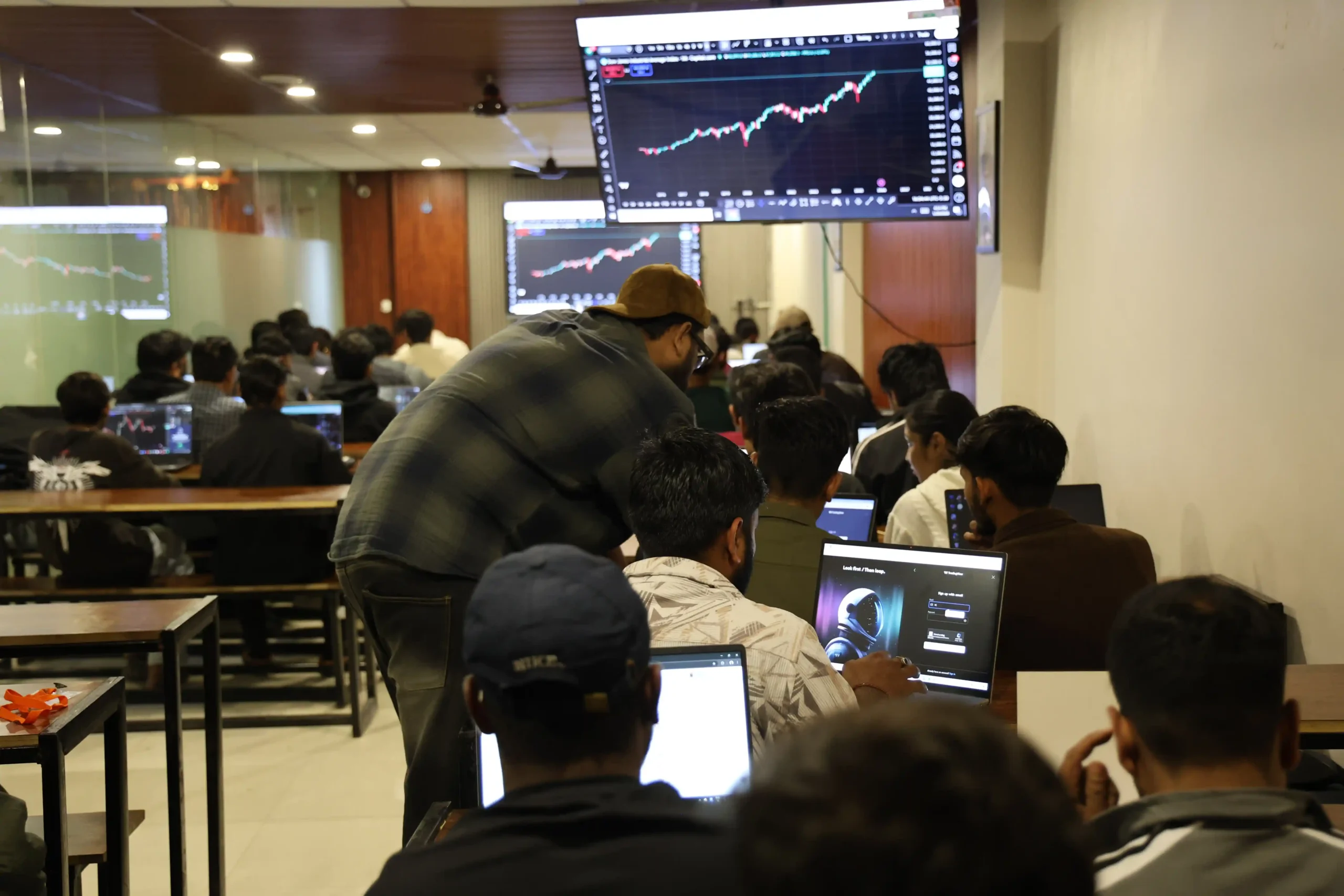
New to forex trading? This ultimate guide explains major, minor, and exotic currency pairs in simple language, including liquidity, spreads, volatility, and high-risk warning signs.
Every trade in the forex market involves two currencies — and together, they form what is called a currency pair. A currency pair is a quotation that represents the value of one currency relative to another. The first currency listed is the base currency, and the second is the quote currency.
For example, in EUR/USD, the euro (EUR) is the base currency and the US dollar (USD) is the quote currency. If EUR/USD is quoted at 1.10, it means one euro buys 1.10 US dollars. When you buy EUR/USD, you are buying euros and selling dollars. When you sell, you are doing the opposite.
This pairing mechanism is the foundation of every forex trade ever placed. And understanding the three categories of currency pairs — major, minor, and exotic — is one of the most important early steps in building a proper forex education.
Quick Definition: A currency pair = Base Currency / Quote Currency. The price tells you how much of the quote currency you need to buy one unit of the base currency.
Why Currency Pair Classification Matters for Forex Traders
Not all currency pairs behave the same way. They differ in liquidity, volatility, trading costs, and the type of market knowledge required to trade them profitably. Choosing the wrong pair for your skill level or strategy is one of the most common — and most expensive — beginner mistakes in forex trading.
View this profile on Instagram
Understanding the three categories helps every trader make better decisions about which markets to trade, which to avoid, and how to adjust their strategy for the pair they are working with. It also directly affects concepts like the bid-ask spread, pip and pipette values, slippage, and the overall cost of trading — all of which vary significantly across major, minor, and exotic pairs.

Major Currency Pairs — The Core of the Forex Market
Major currency pairs are the most traded pairs in the world. Every major pair includes the US dollar (USD) on one side — either as the base or the quote currency. This is because the USD is the world’s primary reserve currency, involved in approximately 88% of all forex transactions globally.
Major pairs offer the highest liquidity, the tightest spreads, and the most reliable technical analysis signals of any currency category. They are the preferred trading ground for both retail and institutional traders — from individual day traders to the world’s largest investment banks.

The 7 Major Currency Pairs
| Pair | Name | Countries | Nickname |
|---|---|---|---|
| EUR/USD | Euro / US Dollar | Eurozone / USA | The Fibre |
| GBP/USD | British Pound / US Dollar | UK / USA | Cable |
| USD/JPY | US Dollar / Japanese Yen | USA / Japan | Ninja / Gopher |
| USD/CHF | US Dollar / Swiss Franc | USA / Switzerland | Swissie |
| AUD/USD | Australian Dollar / US Dollar | Australia / USA | Aussie |
| USD/CAD | US Dollar / Canadian Dollar | USA / Canada | Loonie |
| NZD/USD | New Zealand Dollar / US Dollar | New Zealand / USA | Kiwi |
Characteristics of Major Currency Pairs
High liquidity — Major pairs are traded in enormous volumes every day, meaning orders are filled quickly and at or very close to the quoted price. This reduces slippage — the difference between the expected and actual fill price — to a minimum.
Tight spreads — Because major pairs are so heavily traded, market makers compete aggressively to offer the best prices. The bid-ask spread on EUR/USD and USD/JPY is typically just 0.1 to 0.5 pips with a good broker — the lowest of any pair category. Lower spreads mean lower trading costs per trade.
Abundant market information — Major pairs are driven by the economic data and monetary policy of the world’s most documented economies. Data releases, central bank decisions, and geopolitical events affecting these pairs are extensively covered and well-analysed — giving traders a rich information environment to build strategies around.
View this profile on Instagram
Strongest technical reliability — Because so many participants trade major pairs using the same technical frameworks, support and resistance levels, trend lines, and chart patterns tend to be more reliable on major pairs than on minors or exotics. The sheer volume of participants creates self-fulfilling technical patterns that experienced traders can exploit consistently.
Best for: Beginners, intraday traders, swing traders, and anyone building a core forex strategy. If you are new to forex trading and searching for a structured education, Bimal Institute’s Crypto & Forex Trading Program covers all major pair mechanics in depth — from fundamental drivers to technical setups.
Minor Currency Pairs — The Cross Pairs Without USD
Minor currency pairs — also called cross pairs or simply crosses — are pairs that do not include the US dollar. They pair two of the other major currencies against each other. Minor pairs typically involve the euro, British pound, Japanese yen, Swiss franc, Australian dollar, Canadian dollar, or New Zealand dollar.

The absence of the USD makes minor pairs inherently less liquid than major pairs — but they are still widely traded and well-supported by most major brokers. Their spreads are slightly wider than majors, but significantly tighter than exotic pairs.
Common Minor Currency Pairs
| Pair | Name | Category |
|---|---|---|
| EUR/GBP | Euro / British Pound | Euro cross |
| EUR/JPY | Euro / Japanese Yen | Euro cross |
| EUR/CHF | Euro / Swiss Franc | Euro cross |
| EUR/AUD | Euro / Australian Dollar | Euro cross |
| GBP/JPY | British Pound / Japanese Yen | GBP cross |
| GBP/CHF | British Pound / Swiss Franc | GBP cross |
| GBP/AUD | British Pound / Australian Dollar | GBP cross |
| AUD/JPY | Australian Dollar / Japanese Yen | AUD cross |
| AUD/NZD | Australian Dollar / New Zealand Dollar | AUD cross |
| CAD/JPY | Canadian Dollar / Japanese Yen | CAD cross |
Why Minor Currency Pairs Are Popular with Experienced Traders
Minor pairs offer something major pairs do not — the ability to express a specific view on two non-USD economies simultaneously. If a trader believes the European Central Bank is more hawkish than the Bank of England, the cleanest expression of that view is EUR/GBP — not EUR/USD or GBP/USD, which also carry significant USD risk.

GBP/JPY is one of the most popular minor pairs because it combines two of the highest-volatility major currencies — the British pound and the Japanese yen — creating a pair that moves dramatically and offers significant intraday trading opportunities. It is sometimes called the “Geppy” and is known for its fast, wide price swings.
AUD/JPY is popular as a carry trade vehicle — because Australia typically has higher interest rates than Japan, traders can earn a positive swap rate by holding AUD/JPY long, effectively earning interest on their position while it is open.
Characteristics of Minor Currency Pairs
Moderate liquidity — Minor pairs are less liquid than majors but far more liquid than exotics. Order execution is generally reliable, though large positions may encounter more slippage than equivalent majors.
Slightly wider spreads — The bid-ask spread on minor pairs is typically 1 to 3 pips — higher than majors but manageable for most trading strategies. The higher spread must be factored into profit/loss calculations.
More complex fundamentals — Trading minors requires understanding the economic relationship between two non-US economies. A EUR/JPY trader must monitor ECB policy, eurozone economic data, Bank of Japan policy, and Japanese economic conditions simultaneously — a more complex analysis requirement than a single USD pair.
Important: Before trading minor pairs, ensure you understand forex lot sizing and margin requirements for cross pairs — as they can differ from standard USD pairs in ways that catch unprepared traders off guard.
Exotic Currency Pairs — High Risk, High Reward, High Cost
Exotic currency pairs combine one major currency (usually USD) with the currency of a developing or emerging market economy. These include currencies from countries in Southeast Asia, Latin America, the Middle East, or Africa.
Exotic pairs are the most volatile, the least liquid, and the most expensive to trade of the three categories. They are not recommended for beginners — and even experienced traders approach them with significantly greater caution than majors or minors.

Examples of Exotic Currency Pairs
| Pair | Name | Region |
|---|---|---|
| USD/TRY | US Dollar / Turkish Lira | Middle East / Europe |
| USD/ZAR | US Dollar / South African Rand | Africa |
| USD/MXN | US Dollar / Mexican Peso | Latin America |
| USD/BRL | US Dollar / Brazilian Real | Latin America |
| USD/THB | US Dollar / Thai Baht | Southeast Asia |
| USD/SGD | US Dollar / Singapore Dollar | Southeast Asia |
| USD/HKD | US Dollar / Hong Kong Dollar | Asia |
| USD/INR | US Dollar / Indian Rupee | South Asia |
| EUR/TRY | Euro / Turkish Lira | Europe / Middle East |
| GBP/ZAR | British Pound / South African Rand | Europe / Africa |
Why Exotic Currency Pairs Are High Risk
Extreme volatility — Emerging market currencies are far more sensitive to political instability, inflation crises, capital flow changes, and global risk sentiment than developed market currencies. A single political event or central bank announcement in an emerging economy can move an exotic pair by hundreds of pips in minutes.
Very wide spreads — The bid-ask spread on exotic pairs can be 10 to 50+ pips — dramatically higher than major pairs. These high spreads mean that even a successful trade requires a much larger price move just to cover the cost of entry. On a pair like USD/TRY or USD/ZAR, the spread alone can represent a significant percentage of the expected trade range.
Low liquidity and high slippage — Exotic pairs have far fewer market participants than majors or minors. During news events or periods of market stress, liquidity can evaporate entirely — causing slippage of tens or even hundreds of pips between the expected fill price and the actual execution price.
Complex fundamentals — Analysing exotic pairs requires deep knowledge of emerging market economics, local political environments, central bank policies that may not follow conventional monetary frameworks, and global risk appetite dynamics that affect all emerging market currencies simultaneously.
Warning for Beginners: Exotic pairs are not suitable for beginner or intermediate forex traders. If you are in the early stages of your trading education, stick to major pairs until you have consistent profitability and a thorough understanding of leverage, margin, and margin call mechanics.
Major vs Minor vs Exotic Currency Pairs — Full Comparison
| Feature | Major Pairs | Minor Pairs | Exotic Pairs |
|---|---|---|---|
| USD Involved? | Always | Never | Usually |
| Liquidity | Very High | Moderate | Low |
| Spread | 0.1–0.5 pips | 1–3 pips | 10–50+ pips |
| Volatility | Moderate | Moderate–High | Very High |
| Slippage Risk | Very Low | Low–Moderate | High |
| Technical Reliability | Very High | High | Lower |
| Information Availability | Abundant | Good | Limited |
| Suitable For | All traders | Intermediate+ | Advanced only |
| Examples | EUR/USD, USD/JPY | EUR/GBP, GBP/JPY | USD/TRY, USD/ZAR |
How to Choose the Right Currency Pair for Your Trading Strategy
Choosing the right currency pair is not just about preference — it is about matching the pair’s characteristics to your trading style, experience level, and risk management framework.
For Day Traders — Stick to High Liquidity Majors
Day traders — those who open and close all positions within a single trading session — need pairs with high liquidity and tight spreads. Every pip of spread is a direct cost that comes straight off the profit from each trade. EUR/USD and USD/JPY are the gold standard for day trading — offering the tightest spreads, the most consistent intraday volatility patterns, and the deepest liquidity of any pair in the forex market. Understanding pip and pipette values for these pairs is essential before placing any live trade.
For Swing Traders — Majors and Select Minors
Swing traders hold positions from a few days to a few weeks. For this time horizon, both major pairs and popular minor pairs like EUR/JPY and GBP/JPY offer excellent opportunities. The fundamentals driving these pairs — central bank policy differentials, economic data releases, and geopolitical developments — create sustained trends that swing traders can capitalise on over multiple sessions. Understanding the swap rate is critical for swing traders, as overnight holding costs can significantly affect the profitability of multi-day positions.
For Carry Traders — Interest Rate Differential Pairs
Carry traders borrow in a low-interest-rate currency and invest in a high-interest-rate currency, earning the interest rate differential as profit. This strategy requires understanding the swap rate in forex — specifically which pairs generate positive swap income and at what rate. AUD/JPY and NZD/JPY are historically popular carry trade pairs because of Japan’s persistently ultra-low interest rates creating large positive swap rates for long positions.
For Beginners — Only Major Pairs to Start
If you are new to forex trading, start with one or two major pairs — EUR/USD and USD/JPY are the recommended starting points for most beginners. They offer the cleanest technical setups, the most abundant educational resources, the lowest trading costs, and the most forgiving liquidity conditions for learning order execution. Mastering one major pair fully before expanding to others is a far more effective learning path than trying to trade multiple pairs simultaneously before developing genuine competency.
How Currency Pair Choice Affects Key Forex Concepts
The currency pair you choose affects nearly every other concept in forex trading. Here is how pair selection connects to the broader forex knowledge framework that every serious trader must understand.
Pip Values Vary by Pair
The monetary value of a pip — the smallest standard price movement in forex — differs between pairs. For USD-quoted pairs like EUR/USD, one pip on a standard lot is worth exactly $10. For cross pairs and pairs where USD is the base currency, the pip value requires calculation based on the current exchange rate. Understanding pip values is non-negotiable before sizing any position.
Spread Costs Are Pair-Dependent
The bid-ask spread is the primary cost of every forex trade — and it varies enormously between major, minor, and exotic pairs. A strategy that is profitable on EUR/USD (where spreads are minimal) may be unprofitable on an exotic pair (where spreads consume a large portion of the expected move). Always calculate the spread cost as a percentage of your typical trade range before selecting a pair.
Leverage and Margin Requirements
Brokers often require higher margin for exotic pairs than for major pairs — because their higher volatility creates greater risk for the broker. This means the same account size supports fewer lots of an exotic pair than the equivalent major pair. Understanding leverage ratios and margin requirements for your specific pairs is essential for avoiding margin calls — particularly when trading high-volatility exotic or minor pairs.
Swap Rates Differ by Pair
Every currency pair has different swap rates — the overnight interest charged or credited when holding positions past the daily rollover. Pairs with large interest rate differentials between the two currencies carry more significant swap costs or income. For traders holding positions overnight or over multiple days, understanding the swap rate for their chosen pair is essential for accurate profit/loss forecasting.
COT Data Is Pair-Specific
The Commitment of Traders (COT) report — one of the most powerful institutional sentiment tools available to forex traders — provides positioning data for each individual currency futures contract. Analysing COT data for your specific pair reveals how large institutional traders are positioned — and whether the current trend has genuine institutional conviction behind it or is nearing a reversal point.
FOMC and Economic Data Impact Varies by Pair
Economic data releases — from the FOMC statement to CPI inflation data and GDP releases — affect different pairs with different magnitudes. A USD pairs trader must follow every major US economic release. A EUR/GBP trader must follow both eurozone and UK data. An exotic pair trader must follow both the major currency fundamentals and the specific political and economic conditions of the emerging market country — a significantly more complex analytical requirement.
The Most Popular Currency Pairs for Different Trading Sessions
The forex market operates 24 hours a day, 5 days a week — but different pairs are most active during different trading sessions, reflecting the overlap of the major financial centres.
| Session | Active Hours (IST) | Most Active Pairs |
|---|---|---|
| Sydney Session | 5:30 AM – 2:30 PM | AUD/USD, NZD/USD, AUD/NZD |
| Tokyo Session | 5:30 AM – 2:30 PM | USD/JPY, EUR/JPY, AUD/JPY |
| London Session | 1:30 PM – 10:30 PM | EUR/USD, GBP/USD, EUR/GBP, GBP/JPY |
| New York Session | 6:30 PM – 3:30 AM | EUR/USD, USD/JPY, GBP/USD, USD/CAD |
| London/New York Overlap | 6:30 PM – 10:30 PM | All majors — highest volume period of the day |
The London–New York overlap is the most active trading window of the entire trading week — typically producing the largest moves and the most trading opportunities across major pairs. Indian traders on IST will find the 6:30 PM to 10:30 PM window particularly relevant for active forex trading.
FAQs — Major, Minor, and Exotic Currency Pairs
What is the most traded currency pair in the world?
EUR/USD is the most traded currency pair in the world — accounting for approximately 22–24% of all global forex trading volume. It offers the tightest spreads, the deepest liquidity, and the most reliable technical analysis signals of any pair. It is the first pair most beginners learn and the pair most professional traders monitor regardless of what they trade.
Why are major pairs always paired with USD?
The US dollar is the world’s primary reserve currency — used as the settlement currency for international trade, commodities pricing (including gold and oil), and foreign exchange transactions globally. Because the USD is on one side of approximately 88% of all forex trades, pairs involving USD naturally become the most liquid and most traded — which is why they earn the classification of “major.”
Are minor currency pairs riskier than majors?
Minor pairs carry slightly more risk than majors primarily because of their lower liquidity and wider spreads. However, they are not inherently high-risk instruments — they are appropriate for intermediate traders who have mastered major pair trading and want to expand their analysis to cross-currency relationships. The key difference is that spread costs are higher and liquidity is lower, which requires slightly more conservative position sizing.
Should a beginner trade exotic currency pairs?
No. Exotic pairs are not suitable for beginners. Their wide spreads, extreme volatility, low liquidity, and complex fundamental drivers create a trading environment where even experienced traders must exercise exceptional caution. Beginners should focus exclusively on major pairs — specifically EUR/USD and USD/JPY — until they have developed consistent profitability and a thorough understanding of forex fundamentals and risk management.
What is a cross currency pair?
A cross currency pair — also known as a minor pair or cross pair — is a currency pair that does not include the US dollar. Examples include EUR/GBP, GBP/JPY, and AUD/JPY. Cross pairs allow traders to express views on the relative performance of two non-USD economies without USD exposure — which is useful when the primary driver of a move is the relationship between those two economies rather than anything USD-related.
How does the currency pair I choose affect my trading costs?
Currency pair choice directly determines your trading costs through the bid-ask spread. Major pairs have the tightest spreads (0.1–0.5 pips), minor pairs have moderate spreads (1–3 pips), and exotic pairs have very wide spreads (10–50+ pips). On a high-frequency day trading strategy, the difference between trading EUR/USD and an exotic pair can mean the difference between a profitable and unprofitable strategy — even with identical entry and exit timing.
Start Your Forex Journey With the Right Foundation
Understanding major, minor, and exotic currency pairs is not just theoretical knowledge — it is one of the practical building blocks of every successful forex trading career. The pair you choose determines your trading costs, your liquidity environment, your technical analysis reliability, and the complexity of the fundamental analysis required to trade it well.
This foundational knowledge connects directly to every other concept in forex trading — from pip values and spreads, to margin, swap rates, lot sizing, and the macroeconomic events like the FOMC statement, CPI data, and GDP releases that move currencies. Each piece of knowledge reinforces the others — which is why structured, sequenced education always produces better traders than fragmented self-teaching.
Ready to Build a Real Forex Trading Career?
Bimal Institute’s Crypto & Forex Trading Program (CFTP) covers every concept in this article — and hundreds more — in a structured, mentor-guided curriculum with 30+ days of live market practice. Trusted by 1,50,000+ traders across Madhya Pradesh. Rated 4.9★ with 2,000+ verified reviews. Available online and offline.
Visit bimalinstitute.com/admission-page or call +91 8889422237 to enroll today.