

Scalping vs Day Trading in Forex: 13 Comparison Which Is Right for You?
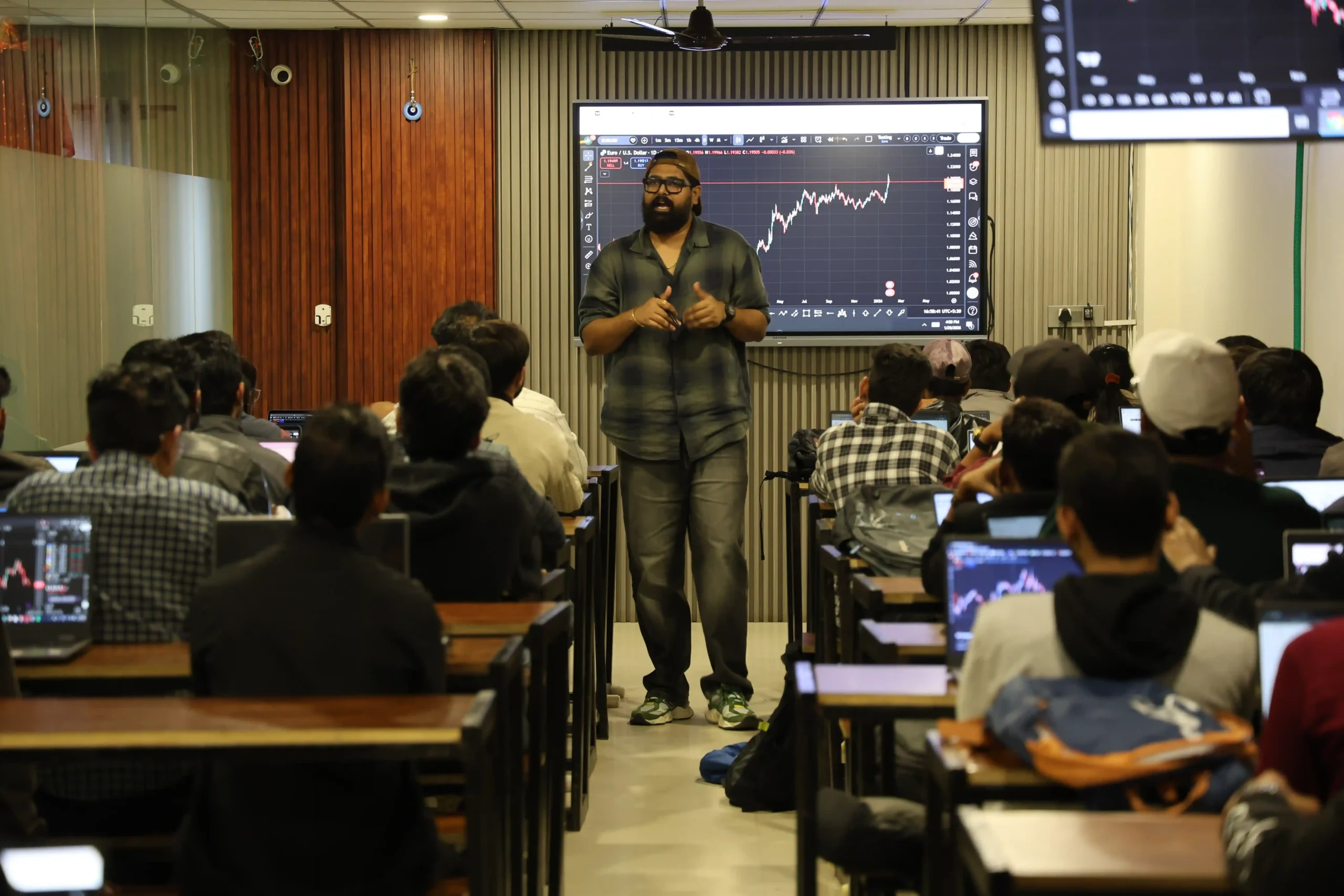
Scalping vs Day Trading in Forex — Two Strategies, One Fundamental Question: Every trader who enters the forex market must eventually answer a question that defines their entire trading approach — how long do I hold a position?
The answer to that question separates scalpers from day traders, and it determines everything from the pairs you trade and the charts you watch to the psychological demands your strategy places on you and the broker conditions you need to succeed.
Scalping vs day trading in forex is one of the most frequently debated topics among retail traders — and for good reason. Both strategies involve closing all positions by the end of the trading session with no overnight exposure. Both rely on technical analysis and intraday price action. Both can be highly profitable in the right hands. But they require completely different mindsets, different skill sets, and different trading infrastructures — and choosing the wrong one for your personality, lifestyle, and temperament is one of the fastest paths to trading frustration and account losses.
This article gives you the complete, honest framework for understanding scalping vs day trading in forex — what each actually involves, what it demands of you, and how to make the right choice for your situation.
Scalping vs Day Trading in Forex — Defining the Strategies
Before comparing scalping vs day trading in forex across multiple dimensions, it is essential to be precise about what each strategy actually is — because these terms are frequently misused and misunderstood.
View this profile on Instagram
What Is Forex Scalping?
Scalping in forex is a trading strategy where a trader opens and closes positions within seconds to a few minutes — targeting very small price movements of 2 to 10 pips per trade. A scalper might execute 20 to 100+ trades per day, accumulating small gains that collectively add up to a meaningful daily profit.
The scalping mindset is built on one core principle — small profits, high frequency, and strict discipline. Each individual trade is insignificant in isolation. A 5-pip gain on a mini lot is worth approximately ₹350. But 50 such trades in a day — with a 60% win rate — generates a consistent and compounding stream of income that adds up significantly over time.
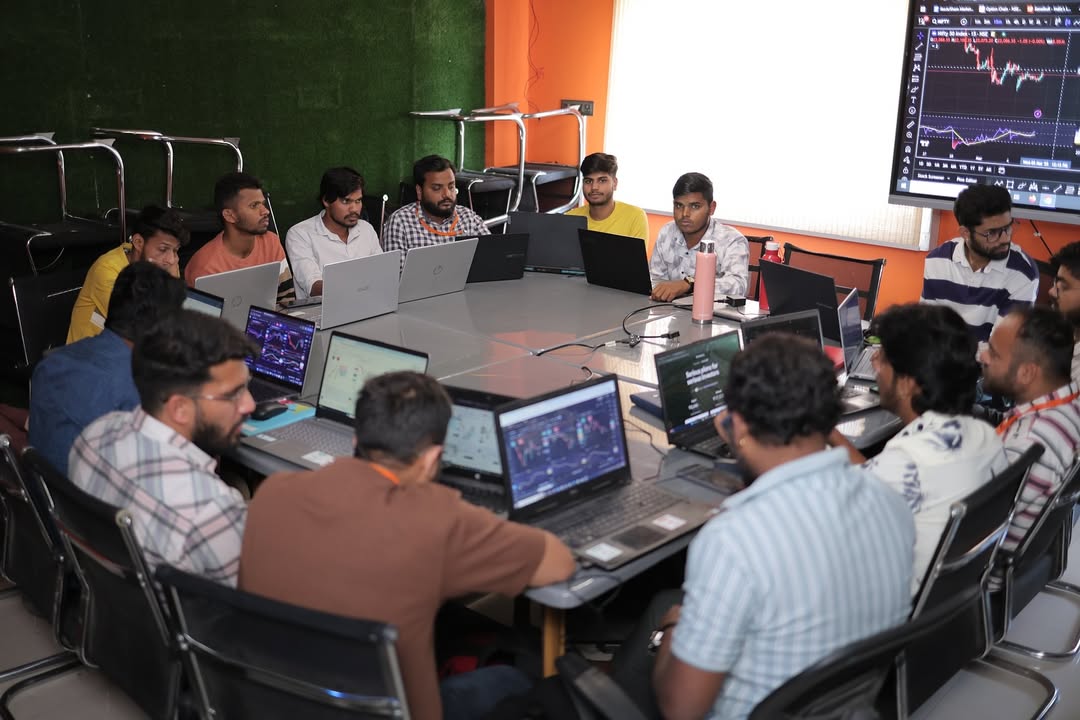
Scalping demands the fastest possible execution, the tightest possible spreads, and the most intense level of screen focus of any forex trading strategy. It is a high-effort, high-frequency approach that is completely incompatible with a casual or part-time trading commitment.
View this profile on Instagram
What Is Forex Day Trading?
Day trading in forex involves holding positions for minutes to hours — typically targeting 20 to 100+ pips per trade — with the firm rule that all positions are closed by the end of the trading session. Day traders execute fewer trades than scalpers — typically 2 to 10 per day — but target significantly larger individual moves.
The day trading mindset is built on quality over quantity — waiting patiently for high-probability setups that offer favourable risk-to-reward ratios, entering with precision, and holding through the development of a meaningful price move before exiting. Day traders work primarily on the 15-minute, 1-hour, and 4-hour charts — timeframes that allow them to identify macro intraday trends and trade in their direction.
The essential distinction: Scalping = many small trades targeting 2–10 pips each. Day trading = fewer trades targeting 20–100+ pips each. Both close all positions within the same trading session.
Scalping vs Day Trading in Forex — A Complete Side-by-Side Comparison
The comparison between scalping vs day trading in forex becomes most useful when examined across the specific dimensions that actually affect a trader’s daily experience and long-term success.
| Dimension | Scalping | Day Trading |
|---|---|---|
| Trade duration | Seconds to 5 minutes | 15 minutes to several hours |
| Pip target per trade | 2–10 pips | 20–100+ pips |
| Trades per day | 20–100+ | 2–10 |
| Charts used | 1-min, 5-min | 15-min, 1H, 4H |
| Screen time required | Constant — full session | Active but intermittent |
| Spread sensitivity | Extremely high | Moderate |
| Stress level | Very high | Moderate |
| Decision speed required | Immediate — seconds | Considered — minutes |
| Broker requirements | Ultra-tight spreads, fast execution | Standard execution, reasonable spreads |
| Suitable personality | Focused, fast, disciplined, loves action | Patient, analytical, methodical |
| Best pairs | EUR/USD, USD/JPY (tightest spreads) | All major pairs and liquid minors |
| Overnight risk | None — all closed same session | None — all closed same session |
| Profit per day | Many small gains adding up | Fewer, larger individual gains |
The Spread Problem — Why It Matters More in Scalping Than Day Trading
In the scalping vs day trading in forex debate, nothing separates the two strategies more concretely than their relationship to the bid-ask spread. This is one of the most practical and most frequently overlooked differences between the two approaches.
A scalper targeting 5 pips per trade on EUR/USD faces a 0.5-pip spread on entry. That spread represents 10% of the intended gain — a significant cost that must be overcome on every single one of their 50+ daily trades. If the spread widens to 1 pip during a volatile period, it becomes 20% of the intended gain. At 2 pips, a scalper’s entire expected profit from a trade can be consumed before the position has even moved.
For a day trader targeting 50 pips, the same 0.5-pip spread represents just 1% of the intended gain — almost irrelevant. Even if the spread widens to 2 pips around news events, it remains a small fraction of the expected move. This asymmetry is why scalping is absolutely non-viable on pairs with wide spreads — like exotic pairs — while day trading remains viable even on moderate-spread minor pairs.
📊 Spread Impact — Scalping vs Day Trading
Pair: EUR/USD | Spread: 0.5 pips
—
Scalper targeting 5 pips: Spread = 10% of gain. Must move 5.5 pips to break even. Spread cost is material.
Day trader targeting 50 pips: Spread = 1% of gain. Must move 50.5 pips to break even. Spread cost is negligible.
—
Conclusion: Spread is the scalper’s primary cost — it must be minimised at all times. For a day trader, spread is a minor consideration relative to the size of targeted moves.
This spread sensitivity is why scalpers must trade exclusively during peak liquidity hours — particularly the London session and the London–New York overlap — when spreads are at their tightest. Scalping during low-liquidity periods like the Asian session close or the Friday afternoon pre-weekend period is a fast way to turn a profitable scalping system into an unprofitable one through elevated spread costs alone.
Pip Values, Lot Sizing, and Risk Management — How They Differ
The relationship between pip values, lot sizing, and risk management works fundamentally differently in scalping vs day trading in forex — and understanding this difference is essential for traders building either strategy.
Risk Management in Scalping
Because scalpers target very small pip moves, their stop losses must also be very small — typically 5 to 15 pips. With such tight stops, even conservative position sizing can result in meaningful leverage use. A scalper risking 1% of a ₹1,00,000 account — ₹1,000 per trade — with a 5-pip stop loss needs a position size where 5 pips equals ₹1,000. On EUR/USD with a standard lot (where 1 pip = ₹700), this requires approximately 1.4 mini lots.
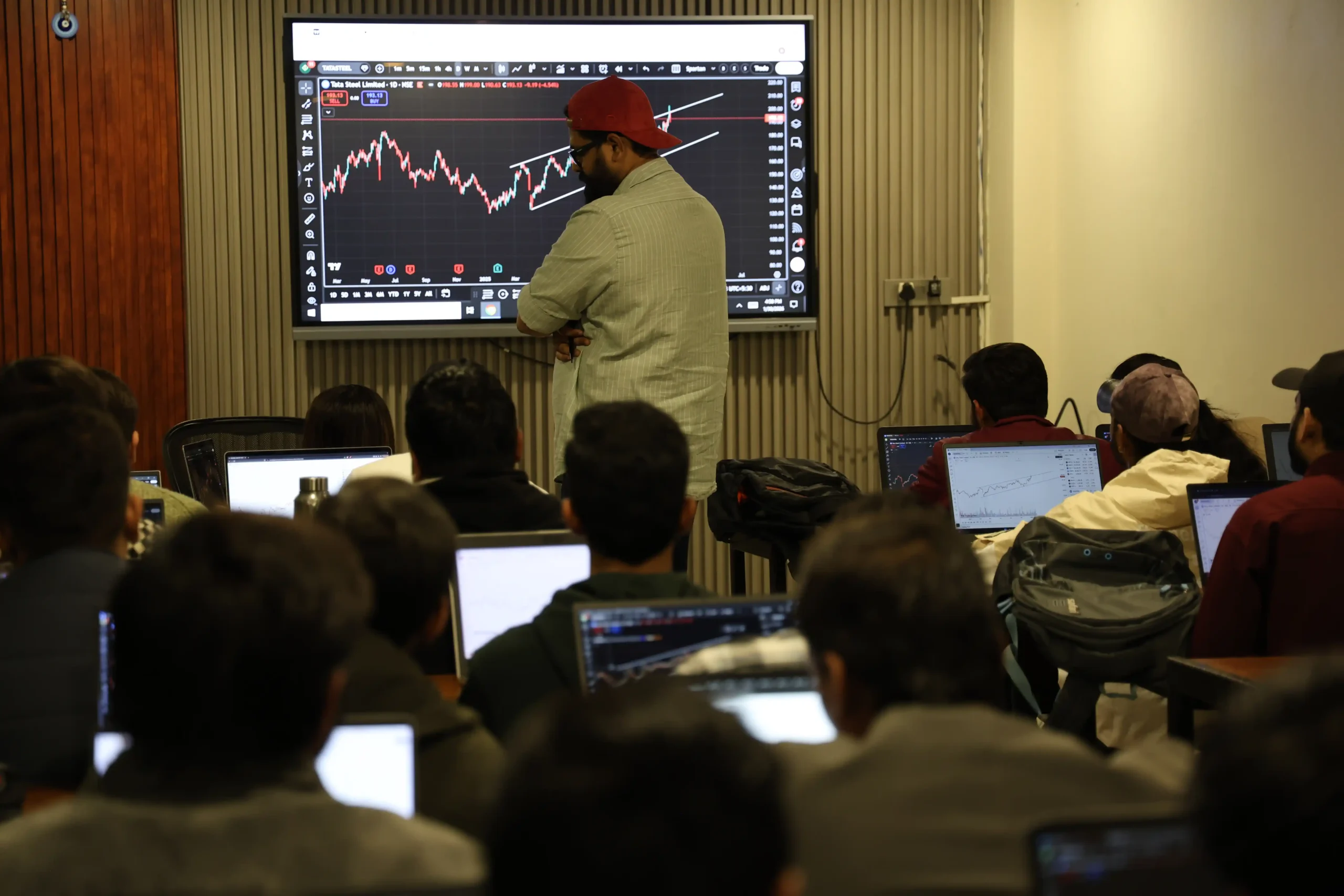
The challenge is that scalpers who tighten their stops too much to increase position size expose themselves to being stopped out by normal market noise — the random short-term price fluctuations that occur even in the direction of a trend. The tight stop is a double-edged sword: it keeps individual losses small but increases the probability of being stopped out before the anticipated move develops.
Risk Management in Day Trading
Day traders work with larger stop losses — typically 20 to 50 pips — which allows them to size positions more conservatively while still maintaining the 1–2% account risk per trade rule. The larger stop distance means positions have more room to breathe through normal intraday volatility without being prematurely stopped out.
The practical implication of leverage ratio management is significant here. A day trader with a 40-pip stop targeting 120 pips has a 1:3 risk-to-reward ratio — meaning they only need a 25% win rate to break even, and a 40–50% win rate to be highly profitable. This mathematical cushion is one of the most powerful advantages of day trading over scalping, where risk-to-reward ratios are often closer to 1:1 due to the small pip targets involved.
Scalping vs Day Trading in Forex — The Psychological Demands
Perhaps the most underestimated difference in scalping vs day trading in forex is the psychological demand each places on the trader. This is where many traders discover that the strategy they thought they wanted to trade is fundamentally incompatible with their psychological makeup.
The Psychological World of a Scalper
Scalping requires a very specific psychological profile. A scalper makes dozens of fast decisions every day — each one under time pressure, each one requiring immediate execution without hesitation. There is no time to deliberate, second-guess, or reconsider. A scalper who hesitates on an entry has already missed it. A scalper who hesitates on a stop-loss exit has already allowed a small loss to become a large one.
The high frequency of trades also means that scalpers face many more losing trades in absolute terms than day traders — even when their overall win rate is healthy. A scalper with a 60% win rate still loses 40 out of every 100 trades. Experiencing 20 to 40 losses per day — regardless of how small each one is — is psychologically taxing in a way that most beginners severely underestimate before they start scalping live accounts.
Research in behavioural economics shows that humans experience losses approximately twice as intensely as equivalent gains. A scalper who loses 15 trades in a row — even small losses — can easily fall into emotional trading patterns like revenge trading, position size escalation, or abandoning their system entirely. Managing this psychological reality is one of the defining challenges of scalping.
The Psychological World of a Day Trader
Day trading requires patience — arguably the most difficult psychological discipline in any trading strategy. A day trader may watch the market for 2 to 3 hours without seeing a single setup that meets their criteria. Then, when a genuine setup finally appears, they must execute confidently and hold the position through normal pullbacks and volatility without exiting prematurely.
The temptation to force trades during slow periods — to find setups where none exist — is the day trader’s primary psychological enemy. Every “forced” trade that does not meet the strategy’s entry criteria is a departure from the system, and consistent forced trading is what turns a profitable day trading strategy into an unprofitable one through accumulated losses on low-quality setups.
Day traders who hold positions for hours must also manage the psychological experience of watching a winning trade pull back significantly before continuing in their direction. A trade that is up 40 pips pulling back to +10 pips tests the trader’s conviction in their analysis and their ability to trust their original stop placement rather than exiting early from fear.
When Economic Data Affects Scalping vs Day Trading in Forex Differently
Major economic releases — the FOMC statement, CPI inflation data, and GDP releases — affect scalpers and day traders in fundamentally different ways. Understanding this difference is essential for managing risk around high-impact events.
For scalpers, major economic releases are typically periods to avoid trading entirely. The spread widening that occurs in the seconds before and after a major release — combined with the extreme volatility spikes that can move a pair 50 pips in a single second — destroys the thin margins that scalping depends on. A scalper targeting 5 pips who is in a position when an unexpected FOMC decision lands can watch their account move against them by their entire daily stop-loss budget in one candle.
For day traders, major economic releases are often the catalyst that creates the trading opportunity. A surprise CPI print above expectations causes an immediate USD strengthening move that a prepared day trader can enter — either on the initial breakout or after the first retracement — and ride for 50 to 150 pips as the market reprices interest rate expectations over the following hours.
Critical Rule for Scalpers: Always check the economic calendar before your session. Close or pause scalping during the 5 minutes before and 10–15 minutes after any high-impact release. The spread widening and volatility spikes around these events are incompatible with scalping’s tight margins.
Broker and Platform Requirements — Scalping vs Day Trading in Forex
The practical broker and platform requirements for scalping vs day trading in forex are significantly different — and choosing the wrong broker for your strategy is a hidden but significant drag on performance.
What Scalpers Need From Their Broker
- Ultra-tight spreads — ideally 0.0 to 0.2 pips on EUR/USD with an ECN or raw spread account. Every fraction of a pip matters at the frequency and margin of scalping.
- Fast execution — order execution under 50 milliseconds. Slow execution on a scalping strategy means fills at worse prices that erode already thin margins.
- No scalping restrictions — some brokers explicitly prohibit scalping or artificially widen spreads for accounts they identify as scalpers. Always verify your broker’s scalping policy before committing capital.
- Stable platform during high-volume periods — a platform that lags or freezes during the London open is catastrophic for a scalper who needs to execute in real time.
What Day Traders Need From Their Broker
- Reasonable spreads — spreads of 0.5 to 2 pips on major pairs are perfectly adequate for day trading where targets are 30+ pips.
- Reliable overnight-position-free execution — since all positions close within the session, swap rates are generally irrelevant — but the broker must not charge unexpected fees for intraday positions.
- Good charting tools — multi-timeframe analysis capabilities, clean price action charts, and reliable order placement.
- No minimum holding period requirements — some brokers impose minimum holding periods that would prevent day traders from exiting quickly when a trade moves sharply in their favour.
Which Is More Profitable — Scalping or Day Trading in Forex?
The profitability question in scalping vs day trading in forex does not have a universal answer — because profitability depends almost entirely on the individual trader’s execution of their chosen strategy, not the strategy itself.
Scalping, in theory, offers more opportunities per session — more setups mean more chances to profit. But it also means more transaction costs (spread × number of trades), more emotional decision-making events, and a higher skill ceiling for consistent execution. A scalper who is right 55% of the time but executes with discipline generates consistent profit. A scalper who is right 55% of the time but deviates from their system on 20% of trades quickly erases their edge.
Day trading offers larger per-trade profits with fewer transactions — and therefore lower total spread cost per day. The skill challenge shifts from execution speed to analytical accuracy and patience. A day trader who correctly identifies 3 high-quality setups per day and executes them with disciplined stop placement and realistic targets can generate significant returns with far lower psychological intensity than a scalper.
The honest answer to which is more profitable: the one that matches your personality, lifestyle, and psychological strengths is the one that will be most profitable for you. A patient, analytical person who forces themselves to scalp will likely underperform a natural day trader in the same markets. A fast, decisive person who forces themselves to hold positions for hours will likely abandon trades early and miss targets that their analysis correctly identified.
Who Should Choose Scalping in Forex?
⚡ Scalping Is Right for You If…
• You can dedicate 4–8 hours of unbroken, focused screen time to trading each day
• You thrive under pressure and make fast, decisive decisions naturally
• You are psychologically comfortable with many small wins and many small losses
• You have access to a broker offering ultra-tight spreads and fast ECN execution
• You have already mastered basic forex mechanics — pip values, spreads, leverage — and have consistent profitability in a slower strategy first
• You enjoy the intensity and immediacy of rapid decision-making in live markets
Scalping is generally not recommended as a first forex strategy. The combination of fast execution requirements, extreme spread sensitivity, and intense psychological pressure makes it one of the most demanding trading approaches available. Most successful scalpers built their foundation through day trading or swing trading first — developing consistent profitability and disciplined execution before scaling down their timeframes.
Who Should Choose Day Trading in Forex?
📊 Day Trading Is Right for You If…
• You can dedicate 2–4 focused hours per day to active market analysis and monitoring
• You are naturally patient — comfortable waiting for the right setup rather than forcing trades
• You prefer fewer, higher-quality trades over many small, rapid ones
• You enjoy analysing the broader market context — using tools like the COT report and economic data — before making trading decisions
• You can manage the psychological experience of holding a position through pullbacks without exiting prematurely
• You are in the early to intermediate stages of your forex trading journey
Day trading is widely recommended as the most appropriate active trading strategy for developing forex traders. It provides enough trades to build skill and experience quickly — without the extreme execution demands of scalping. The higher risk-to-reward ratios available in day trading also create more mathematical room for error — allowing a trader to be right less than half the time and still be profitable, provided their winners are significantly larger than their losers.
Scalping vs Day Trading in Forex — Margin and Leverage Considerations
Both scalping and day trading involve the same fundamental margin mechanics — but the practical implications differ. Scalpers often use relatively high position sizes to generate meaningful profit from 2 to 5 pip moves — which means their margin levels must be monitored carefully, particularly when running multiple positions simultaneously.
Day traders, working with larger pip targets and larger stop losses, can generally use more moderate leverage while still generating meaningful returns — because their profit per trade in absolute terms is naturally larger. The risk is that day traders, seeing fewer trades per day, sometimes feel compelled to increase position size dramatically on each trade to “make the day worthwhile” — which is a psychological trap that inflates risk beyond the account’s sustainable level.
In both strategies, the correct approach is identical: calculate position size from a defined percentage of account risk per trade using the correct lot sizing formula, ensure that slippage risk is accounted for in stop placement, and never deviate from the risk management framework regardless of how confident you feel about a setup.
FAQs — Scalping vs Day Trading in Forex
Is scalping or day trading more suitable for beginners?
Day trading is significantly more suitable for beginners. The execution speed required for scalping, combined with its extreme sensitivity to the bid-ask spread and its intense psychological demands, makes it one of the most challenging entry points into forex trading. Beginners who start with day trading on the 1-hour or 4-hour chart build the analytical skills and emotional discipline needed to trade shorter timeframes later — if they choose to.
How many pips do scalpers target per trade?
Most forex scalpers target 3 to 10 pips per trade with stop losses of 5 to 15 pips. The key metric is not the absolute pip target but the consistency of execution across many trades and the cumulative effect of maintaining a positive average win-to-loss ratio across 30–100 trades per day. Understanding pip and pipette values for your specific pairs is essential before scalping live accounts.
Can scalping and day trading be combined?
Yes — and many experienced traders combine both. A common approach is to use day trading analysis on higher timeframes to identify the directional bias for the session, then use scalping techniques to enter and manage positions within that direction on lower timeframes. This hybrid approach uses the discipline of day trading analysis to filter the high-frequency entries of scalping — often producing better results than either approach used in pure isolation.
Which strategy works better during FOMC and CPI releases?
Day trading works better around major data releases. The FOMC statement and CPI inflation data create large, sustained directional moves that day traders can capture — while scalpers should avoid trading entirely during these events due to spread widening, extreme volatility, and the complete elimination of scalping’s thin profit margins.
What pairs are best for scalping vs day trading?
For scalping, EUR/USD and USD/JPY are the only pairs recommended — because they consistently offer the tightest spreads and deepest liquidity that scalping requires. For day trading, all major pairs are suitable — EUR/USD, USD/JPY, GBP/USD, USD/CHF, AUD/USD, USD/CAD — and liquid minor pairs like EUR/JPY and GBP/JPY also offer excellent day trading opportunities due to their strong intraday trends.
Do scalpers pay more in spreads than day traders?
In absolute terms per day, yes — significantly more. A scalper executing 60 trades per day pays 60 × spread cost. A day trader executing 5 trades pays 5 × spread cost. Even if the scalper’s per-trade spread is tighter, the cumulative daily spread bill is substantially higher. This is why a scalper’s gross profit per trade must be high enough to absorb this elevated spread cost structure and still produce net profit after all costs.
The Verdict — Scalping vs Day Trading in Forex
In the debate of scalping vs day trading in forex, there is no universally correct answer. There is only the right answer for you — based on your personality, your lifestyle, your psychological strengths, and your current level of trading skill.
If you are patient, analytical, and in the earlier stages of your forex education — start with day trading. Build your market reading skills on higher timeframes. Develop your emotional discipline through fewer, larger trades. Learn to wait for quality rather than manufacture quantity. Day trading gives you the combination of enough trade frequency to develop quickly and enough breathing room to survive the learning curve.
If you are fast, decisive, intensely focused, and have already built consistent profitability through a slower strategy — explore scalping as a progression. But approach it knowing that scalping’s demands are fundamentally different from any other form of trading — and that the skill ceiling for consistent scalping profitability is higher than almost any other forex approach.
In both cases — scalping and day trading — the foundation is identical: a deep understanding of how forex markets work, disciplined risk management, and the psychological resilience to execute your system consistently regardless of short-term outcomes. That foundation is built through structured education, not trial-and-error in live markets with real capital.
Build Your Forex Foundation With Bimal Institute
Whether you are drawn to scalping or day trading, Bimal Institute’s Crypto & Forex Trading Program (CFTP) gives you the complete foundation — from market mechanics and technical analysis to live market practice and dedicated trader psychology sessions. 1,50,000+ traders trained. 4.9★ rated. Online and offline. Or start with our free trading course.
Visit bimalinstitute.com/admission-page or call +91 8889422237.