

Is India Witnessing a Gold Selling Boom? What It Means for the Economy and Investors
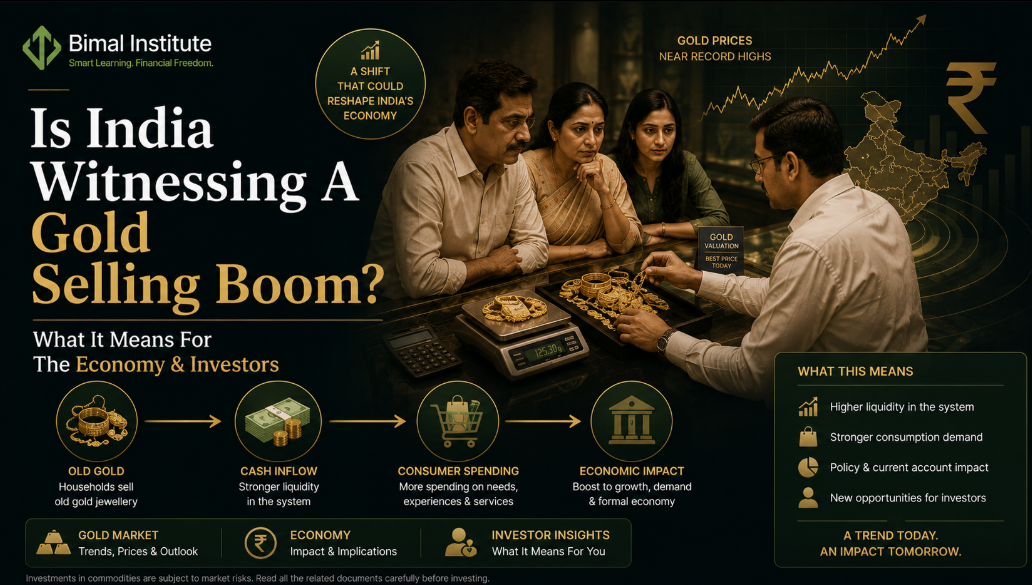
India usually makes headlines for buying gold, not selling it. So when households start handing in old jewellery in large numbers, it is worth asking what is really going on. The short answer is yes, India is seeing a gold selling boom, and it carries lessons for both the economy and everyday investors.
In short: India is seeing a gold selling boom in 2026. Households sold nearly 50 tonnes of old gold in one quarter, up 43%, driven by record prices and profit booking. It is boosting gold recycling and could ease India’s heavy gold import bill, while investors turn more active and selective.
Why Gold Selling Has Increased
The trigger is price. Gold touched around Rs 1.8 lakh per 10 grams early in 2026 before easing to about Rs 1.4 lakh. Even after the dip, prices are far above what most families paid years ago.

According to the India Bullion and Jewellers Association (IBJA), Indian households selling old gold added up to nearly 50 tonnes in the April-June 2026 quarter, about 43% more than a year earlier. Many sold to book profit, fund real needs, or guard against a further fall. This gold selling boom in India is now one of the most watched gold market trends in India.
Impact on the Jewellery Industry
For jewellers, the boom cuts both ways. Buying volumes have softened as customers pick lighter pieces, but the value of each sale is higher. The clearer winner is gold recycling. Organised buyers report sharply higher collections of old gold, giving refiners a steady supply of raw metal without fresh mining or imports.
View this profile on Instagram
Impact on Gold Imports
This is where the story gets interesting for the economy. India imports most of its gold, with the import bill at roughly 72 billion dollars in FY26. Recycled gold offers a home-grown alternative. Industry estimates suggest recycled supply could rise to 200 to 250 tonnes in 2026, up from 125 to 150 tonnes in 2025. Every tonne recycled is a tonne India may not need to import.

Impact on India’s Economy
Gold imports add to India’s trade gap and put pressure on the rupee. So more recycling, in theory, helps ease that pressure and supports the current account. It also brings idle wealth into active use; Indian households hold an estimated 30,000 tonnes of gold, much of it sitting unused. Putting even a small share to work is good for the wider economy and for economic growth. Notably, gold demand in India stays strong even as recycling rises, since many sellers also buy lighter new pieces. Still, recycled volumes remain small next to total imports, so the effect is gradual, not dramatic.
Investor Sentiment
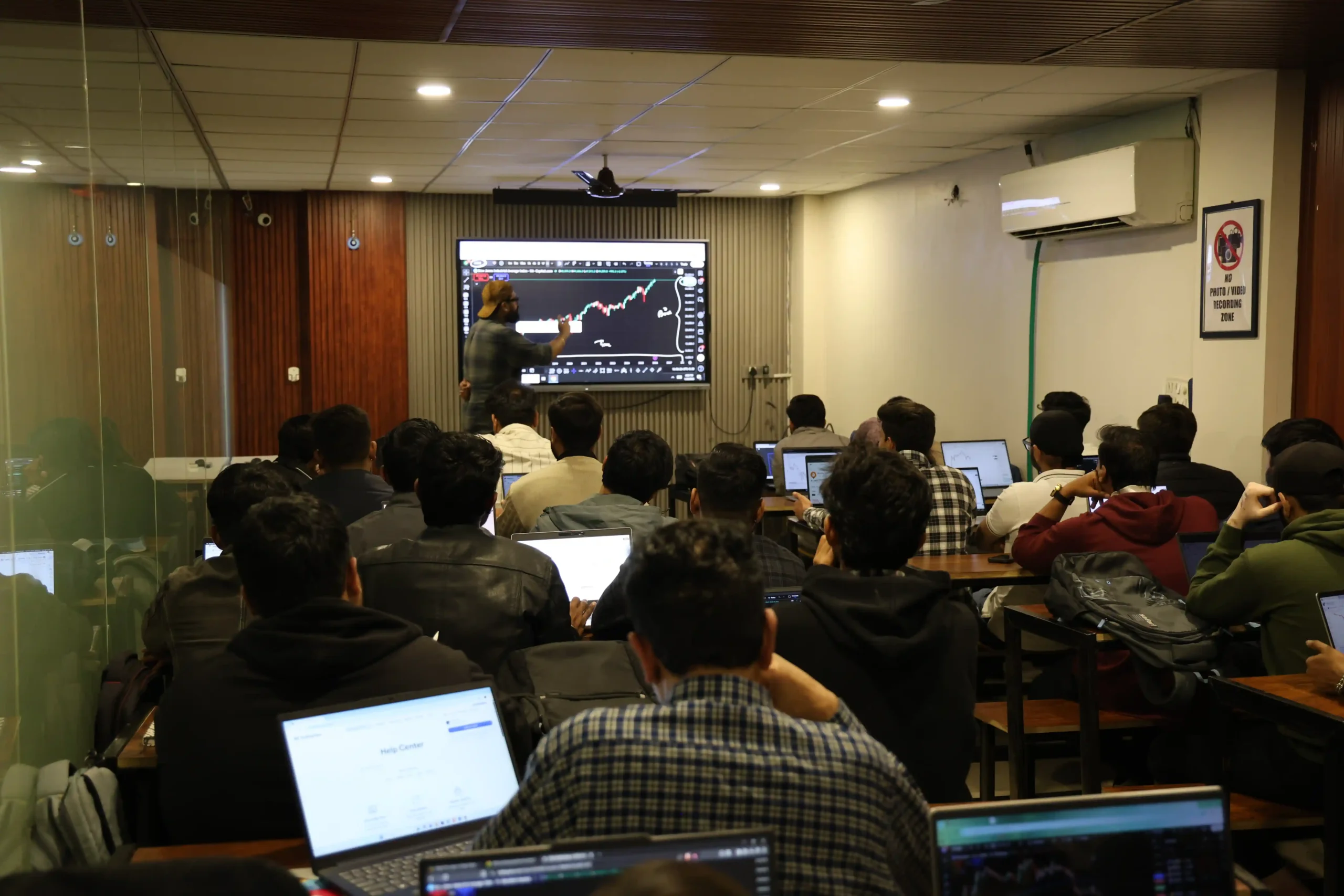
The boom signals a shift in mindset. Indians are increasingly treating gold as a financial asset to be timed, not just a keepsake to be stored. Many are booking profit and rotating into equities, bonds, or modern gold products, while keeping a core holding as a hedge. It reflects confidence and awareness, not fear. For gold investment, the lesson is to stay active but disciplined.
Will Gold Prices Continue Rising?
No one can say for sure. Gold’s direction depends on the US Federal Reserve, the strength of the dollar, inflation, and steady buying by central banks, explained in this guide on how central banks influence markets. Analysts are split between a recovery and a further dip, which is exactly why timing the metal is so hard.
Should Investors Buy, Hold, or Sell?
| Approach | Best Suited For |
|---|---|
| Buy gradually | Those building a long-term hedge through small, regular purchases |
| Hold | Investors with a balanced mix and no urgent need for cash |
| Sell or trim | Those over-allocated to gold or needing funds for a real goal |
The sensible path for most is balance: keep some gold, avoid betting everything on price moves, and consider where any proceeds go next, whether equities or safer options like an FD or EPF.
View this profile on Instagram
Expert Takeaways
- For the economy: More recycling can slowly cut import dependence and support the rupee.
- For jewellers: Lower volumes, but a growing, organised recycling business.
- For investors: Think in terms of goals and diversification, not short-term price bets.
- The big shift: Gold is becoming an active financial asset for Indian families, not just stored wealth.
Frequently Asked Questions
Is India seeing a gold selling boom?
Yes. Households sold nearly 50 tonnes of old gold in the April-June 2026 quarter, about 43% more than a year earlier, marking a clear boom.
Why are Indians selling gold now?
Mainly because of record-high prices and profit booking, along with real needs and fears that prices may fall further.
How does gold selling affect the economy?
More recycled gold can reduce India’s reliance on costly imports, easing pressure on the trade gap and the rupee, though the effect is gradual.
Does selling gold hurt the jewellery industry?
Buying volumes are softer, but jewellers gain from higher-value sales and a fast-growing gold recycling business.
Will gold prices keep rising?
It is uncertain. Prices depend on the US Fed, the dollar, inflation, and central bank buying, and analysts are divided.
Should investors buy, hold, or sell gold?
It depends on your goals. Most experts suggest keeping a core holding, buying gradually, and selling only with a clear reason.
How much gold do Indian households own?
An estimated 30,000 tonnes, among the largest private gold reserves in the world.
Authoritative sources: India Bullion and Jewellers Association (IBJA) for rates and old-gold sales data, the World Gold Council (gold.org) for demand and recycling trends, and the Reserve Bank of India (rbi.org.in) for trade and reserves data.
Disclaimer: This article is for information only and is not financial advice. Figures are based on publicly available data and may change. Gold prices move daily. Consult a qualified advisor before making investment decisions.