

Diesel Export Tax Jumps to Rs 15.5 a Litre as US-Iran Conflict Lifts Crude
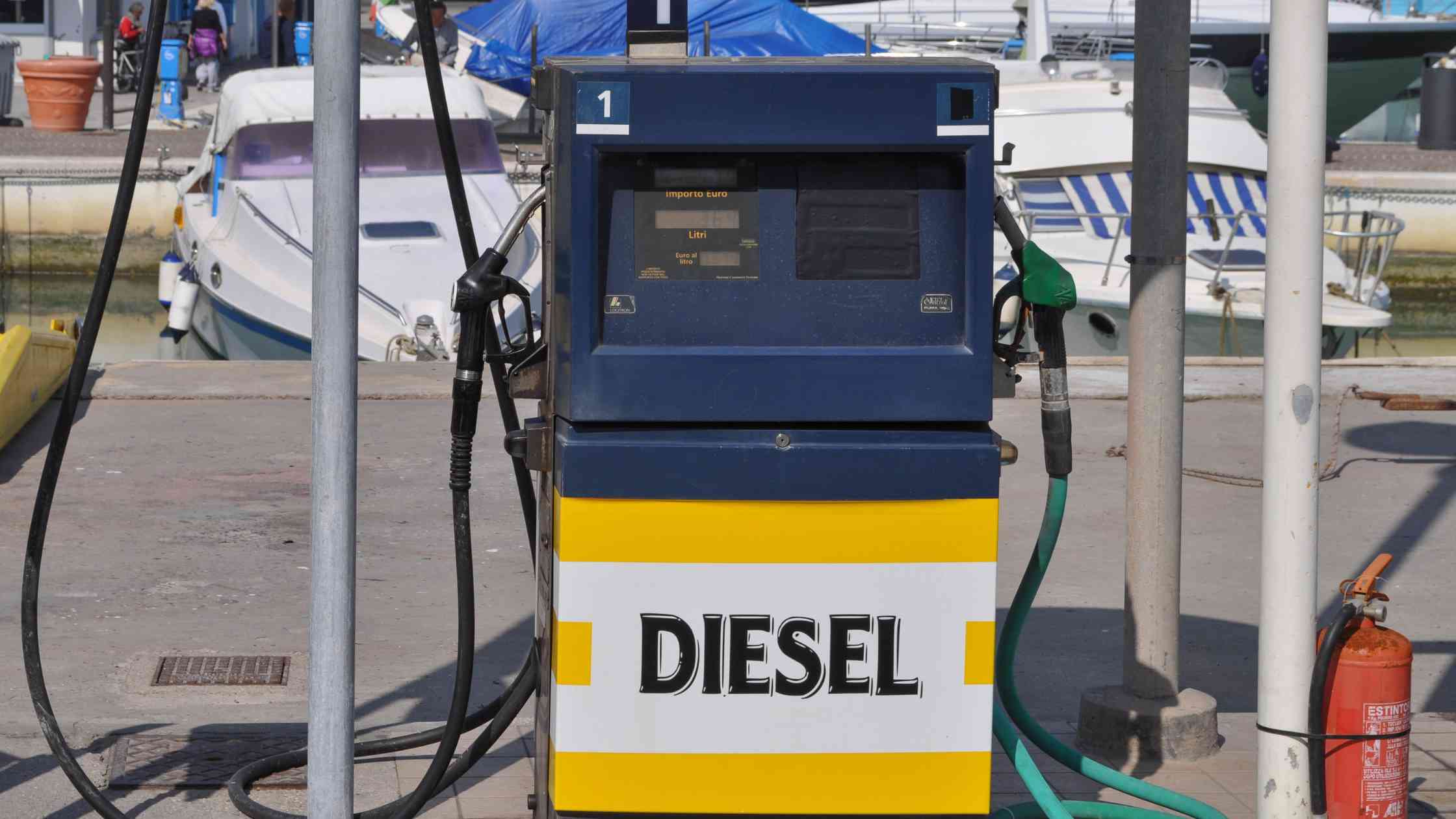
The government has sharply raised the windfall tax on diesel exports from Thursday, 16 July 2026. The move follows a crude oil spike triggered by fresh hostilities between the United States and Iran.
Quick answer: The diesel export tax has been raised to Rs 15.5 per litre from Rs 8.5, an increase of Rs 7 in a single revision, effective 16 July 2026. The tax on aviation turbine fuel exports rose to Rs 14.5 from Rs 7.5, while petrol export duty was cut to Rs 2.5 from Rs 4.
What the Finance Ministry Actually Changed
The change came through a Finance Ministry notification revising the Special Additional Excise Duty, or SAED, the formal name for the windfall tax on fuel exports.
The diesel levy nearly doubled overnight. Here is the fortnight-on-fortnight shift across all three fuels.
| Fuel | Old rate (per litre) | New rate from 16 July |
|---|---|---|
| Diesel export | Rs 8.5 | Rs 15.5 |
| ATF (jet fuel) export | Rs 7.5 | Rs 14.5 |
| Petrol export | Rs 4 | Rs 2.5 |
The direction matters. Diesel and jet fuel taxes went up, petrol came down, which tells you exactly where the government sees the pressure building.
Why Now? Blame the Strait of Hormuz
The trigger is crude oil. Prices climbed after US President Donald Trump reimposed a naval blockade on Iranian ports, and Iran responded with strikes on US infrastructure in the region.
When global crude and refined product prices jump, Indian refiners earn fatter margins on fuel they ship abroad. The windfall tax is the tool the government uses to claw back part of that unexpected gain.

This is not the first swing this year. Back in April 2026, at the peak of the West Asia crisis, the diesel export duty had climbed as high as Rs 55.5 per litre before being walked down through successive fortnightly cuts as tensions eased.
Just two weeks ago, on 1 July, the government had moved the other way, cutting diesel to Rs 8.5 and raising petrol. Thursday’s revision reverses that, which shows how fast the crude picture is turning.
What Exactly Is a Windfall Tax?
A windfall tax is a one-off levy on profits a company earns not through its own effort but through a sudden, outside event. Here, the event is a war-driven jump in oil prices.

India first introduced it in July 2022, when it generated an estimated Rs 25,000 crore to Rs 30,000 crore in its first year. The idea is twofold: capture part of the refiners’ bonanza, and keep more fuel in the domestic market.
The government said in an official statement that the rates are prescribed on average international prices and revised every fortnight, which is why the number keeps moving. It is a clean example of how a global shock feeds into local policy.
Who Feels This, and Who Does Not
The tax lands on refiners and exporters, not on the person filling their tank. Companies with large export-focused refineries, such as Reliance Industries and Nayara Energy, are the most exposed to changes in this levy.
State-run oil marketing companies like Indian Oil, BPCL and HPCL are affected differently, because they sell mostly at home at controlled prices, as the recent HPCL record FY26 profit and dividend showed.
For ordinary consumers, the direct effect is close to zero. This is an export tax, not a retail one, and pump prices are set separately. The one indirect risk is inflation if crude keeps climbing, which is why the next CPI inflation print matters.
What to Watch Next
The next fortnightly revision is due at the start of August. If crude keeps rising on the back of the US-Iran standoff, expect the diesel levy to climb further. If the Strait of Hormuz reopens and prices cool, it will likely be cut again.
For anyone learning how markets connect, this is a live case study: a geopolitical event, a commodity move, a policy response and a set of stock prices, all in one chain. It is the same logic that drives gold and silver prices during a crisis.
Frequently Asked Questions
What is the new diesel export tax?
Rs 15.5 per litre, up from Rs 8.5, effective 16 July 2026. The ATF export tax rose to Rs 14.5 from Rs 7.5, while petrol export duty was cut to Rs 2.5 from Rs 4.
Why did the government raise it?
Because global crude oil prices surged following an escalation in the US-Iran conflict, boosting refiners’ export margins. The windfall tax captures part of that gain and keeps more fuel in the domestic market.
What is a windfall tax?
It is a levy on profits a company earns from a sudden external event rather than its own effort. India applies it to fuel exports as the Special Additional Excise Duty, first introduced in July 2022.
Does this change diesel prices at the pump?
No, not directly. This is a tax on fuel that refiners export, not on retail sales. Pump prices for diesel and petrol are set separately.
Which companies are affected?
Export-focused refiners such as Reliance Industries and Nayara Energy are the most exposed. State oil marketing companies that sell mainly at home feel it less directly.
When is the next revision?
The government reviews these rates every fortnight, so the next revision is due at the start of August 2026, and will track wherever crude prices go next.
What does SAED stand for?
SAED is the Special Additional Excise Duty. It is the formal legal name for what is commonly called the windfall tax on crude and fuel exports in India.
How high has the diesel export duty been before?
It peaked at Rs 55.5 per litre in April 2026, at the height of the West Asia crisis, before being cut through successive fortnightly revisions as tensions eased.
Why was petrol treated differently from diesel?
Petrol export duty was cut to Rs 2.5 per litre while diesel and ATF went up. This signals the government sees more margin and supply pressure on diesel and jet fuel than on petrol right now.
What triggered the crude oil surge?
The US reimposed a naval blockade on Iranian ports and Iran launched retaliatory strikes on US infrastructure in the region, raising fears over supply through the Strait of Hormuz.
How much revenue has the windfall tax raised?
It generated an estimated Rs 25,000 crore to Rs 30,000 crore in its first year after being introduced in July 2022, according to government estimates.
Does the tax apply to crude oil too?
The windfall tax framework covers domestically produced crude oil as well as exports of diesel, petrol and ATF. This particular revision changed the export levies on the three refined fuels.
How can an investor track the impact?
Watch crude oil prices, the fortnightly SAED notifications, and the share prices and margins of refiners like Reliance and the oil marketing companies. The next CPI inflation print also shows whether the crude move is feeding through to consumers.
View this profile on Instagram
View this profile on Instagram
If you want to understand how oil, currencies and inflation move markets before you trade them, start with Bimal Institute’s free trading course.
Note: Commodity and equity prices are volatile and can fall as easily as they rise, and windfall tax rates change every fortnight. This article is for information and education only, is not investment advice, and carries no buy or sell calls, target prices or predictions.